

Subscribe To Our Newsletter!
Subscribe to the newsletter to stay up to date with the latest news and most useful
Newsletter
↑
Back to Top



Product Overview |
|---|
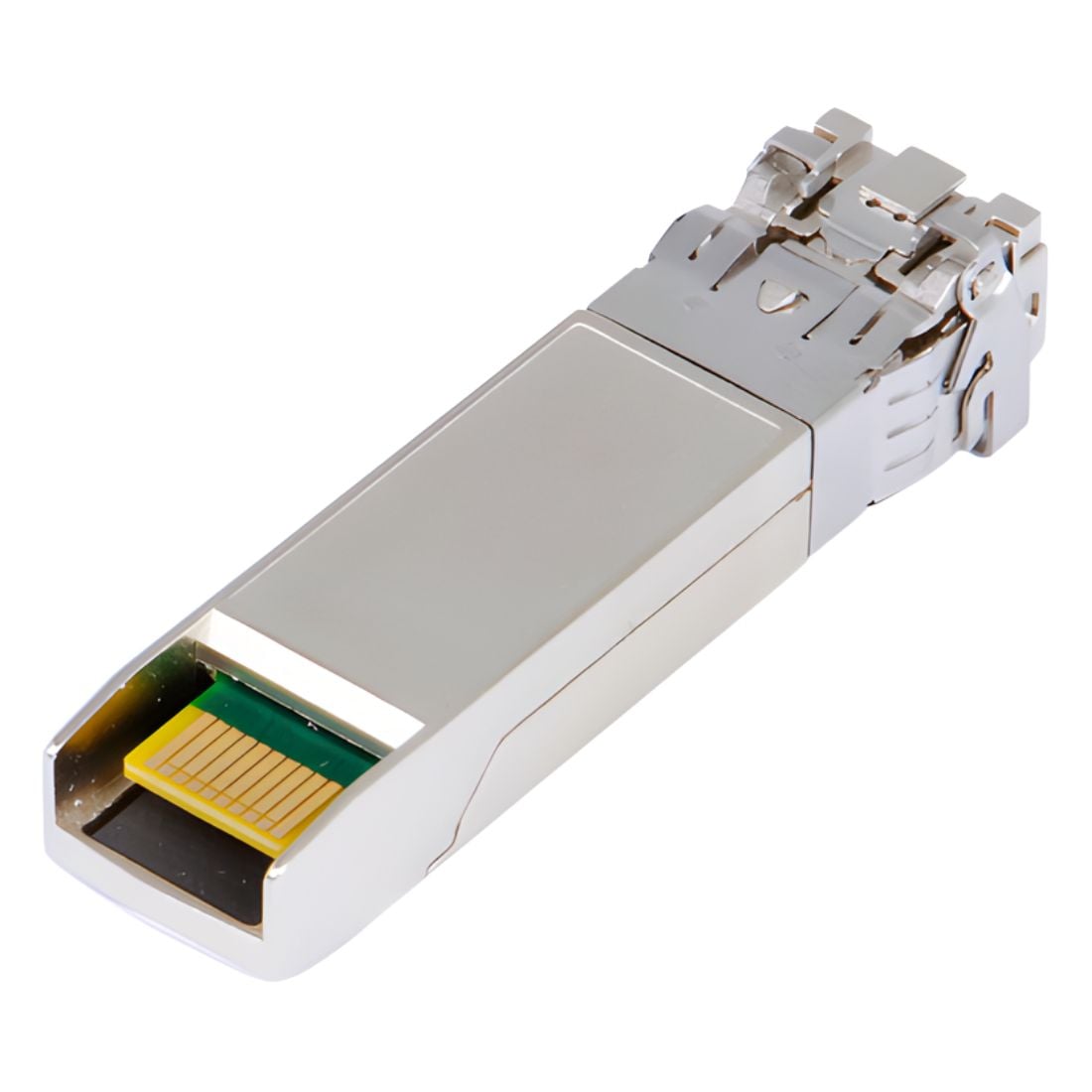
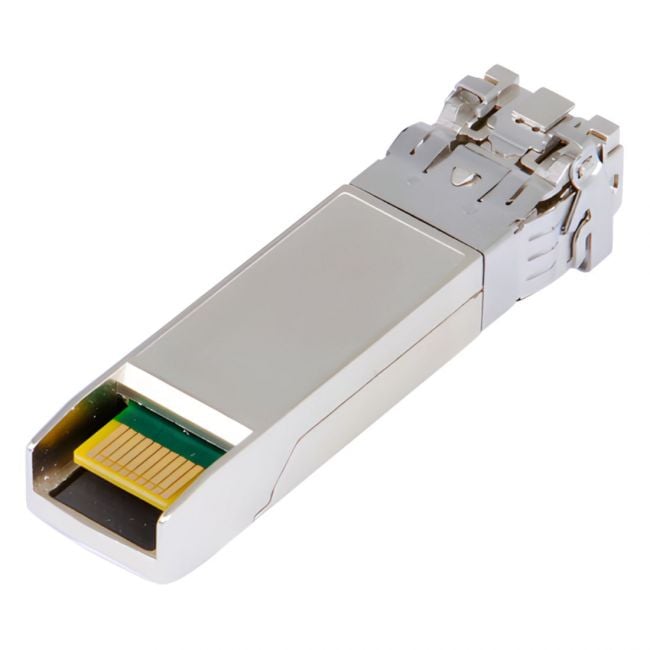
The Cisco 100-Gigabit Transceiver Module enables high-speed data exchange by fitting into Cisco's QSFP28 ports. It fits well in data center setups where efficient, fast connections between devices are essential, supporting the backbone of modern network infrastructures. |
General Information |
|
|---|---|
| Brand | Cisco |
| Part Number | 10-3142-02 |
Technical Information |
|
|---|---|
| Form Factor | QSFP28 |
| Media | MMF |
| Type | VCSEL |
| Power Consumption | ≤4.5 W |
| Protocols | 100GBASE-SR4,100G Ethernet |
| Connector | MTP/MPO |
| DOM Support | Yes |
Physical Characteristics |
|
|---|---|
| Weight | 3.00 |
| Condition | Refurbished |
Product Description |
|---|
This 100-Gigabit Transceiver Module is built for high-speed data transfer in demanding network setups. Often found in data centers and enterprise networks, it enables rapid connectivity between servers and switches. Network engineers and IT professionals rely on these modules to maintain fast and reliable communication channels. Key Features
These transceiver modules are typically deployed in environments where quick data transmission is critical, such as data centers or large enterprise backbones. They help ensure networks can handle growing traffic without congestion or delay. |
Use Cases |
|---|
The Cisco 100-Gigabit Transceiver Module is primarily deployed in environments demanding high-throughput connectivity, such as hyperscale data centers and large enterprise networks. It is particularly beneficial for network architects and IT professionals managing high-density server clusters and requiring scalable, low-latency interconnects. How It's Used:
This transceiver module enhances operational efficiency by enabling dense, high-capacity links that accommodate growing network traffic. Its integration into Cisco QSFP28 ports supports scalable network architectures and helps maintain consistent performance across evolving workloads. |
 Shipping Options
 International Delivery
Requires a UPS, FedEx, or DHL account. Customers may arrange pickup from our US warehouse.
International Delivery
Requires a UPS, FedEx, or DHL account. Customers may arrange pickup from our US warehouse.
 Payment Methods
We accept Visa, Mastercard, AMEX, Discover, and Wire Transfer.
Payment Methods
We accept Visa, Mastercard, AMEX, Discover, and Wire Transfer.
 Purchase Orders
We process purchase orders for government agencies, enterprises, data centers, and SMBs.
Purchase Orders
We process purchase orders for government agencies, enterprises, data centers, and SMBs.