

Subscribe To Our Newsletter!
Subscribe to the newsletter to stay up to date with the latest news and most useful
Newsletter
↑
Back to Top



| Product Overview |
|---|
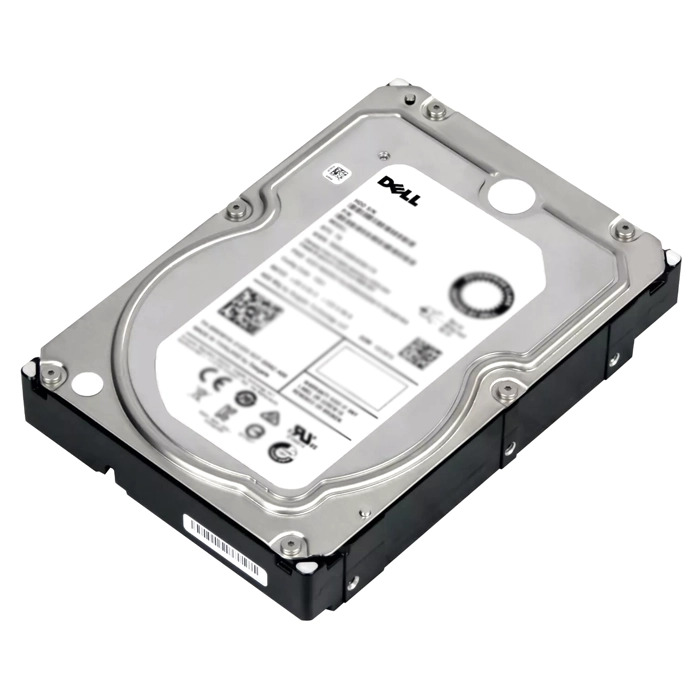
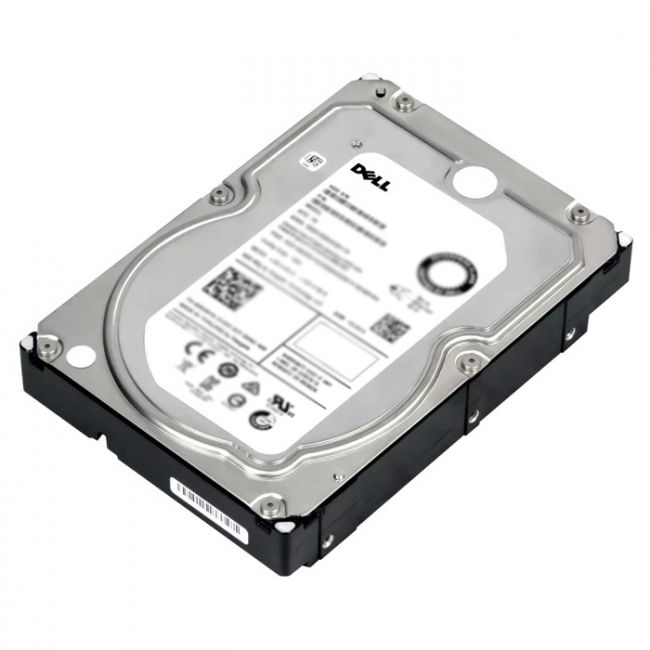
The Dell 300GB 10,000RPM SAS 3.5-Inch Internal Hard Drive offers a solid mix of speed and capacity tailored for server use. It fits neatly into standard 3.5-inch bays and connects through SAS, which is common in enterprise data storage solutions. This drive serves well in situations where quick access to data and reliable operation are a must, such as database management, virtualization, and application hosting. |
| General Information | |
|---|---|
| Brand | Dell |
| Part Number | 0FW96 |
| Technical Information | |
|---|---|
| Capacity | 300GB |
| Form Factor | 3.5-inch |
| Disk Format | HDD |
| Cache | 16MB |
| Spindle Speed | 10000RPM |
| Hot Pluggable | Yes |
| Hot Swappable | Yes |
| Hybrid Drive | No |
| Compatible For | Servers, Dell PowerEdge |
| MTBF | 1,200,000 hours |
| Interfaces/Ports | |
|---|---|
| Interface | SAS 6Gb/s |
| Physical Characteristics | |
|---|---|
| Height | 26.1 mm |
| Width | 101.6 mm |
| Depth | 147 mm |
| Dimensions | 26.1mm x 101.6mm x 147mm |
| Condition | Refurbished |
| Weight | 1.76 |
| Miscellaneous | |
|---|---|
| Compliance Standards | RoHS, CE, FCC |
| Product Description |
|---|
This internal hard drive is built to deliver fast and dependable storage for enterprise servers and storage arrays. With a 300GB capacity and a speedy 10,000 RPM spindle, it handles data-intensive applications efficiently. The SAS interface is commonly used in data centers where high throughput and fault tolerance are important. IT professionals and system administrators often rely on drives like this to maintain consistent performance in multi-user or virtualized environments. It's typically found in rack servers or storage enclosures supporting critical workloads. Key Features
These drives are often deployed in medium to large-scale IT setups, including virtualization hosts, application servers, and storage arrays. Their balance of capacity and speed makes them a practical choice where reliability and uptime are critical. Over time, they help maintain steady performance under heavy workloads without frequent bottlenecks. |
 Shipping Options
 International Delivery
Requires a UPS, FedEx, or DHL account. Customers may arrange pickup from our US warehouse.
International Delivery
Requires a UPS, FedEx, or DHL account. Customers may arrange pickup from our US warehouse.
 Payment Methods
We accept Visa, Mastercard, AMEX, Discover, and Wire Transfer.
Payment Methods
We accept Visa, Mastercard, AMEX, Discover, and Wire Transfer.
 Purchase Orders
We process purchase orders for government agencies, enterprises, data centers, and SMBs.
Purchase Orders
We process purchase orders for government agencies, enterprises, data centers, and SMBs.