

Subscribe To Our Newsletter!
Subscribe to the newsletter to stay up to date with the latest news and most useful
Newsletter
↑
Back to Top



Product Overview |
|---|
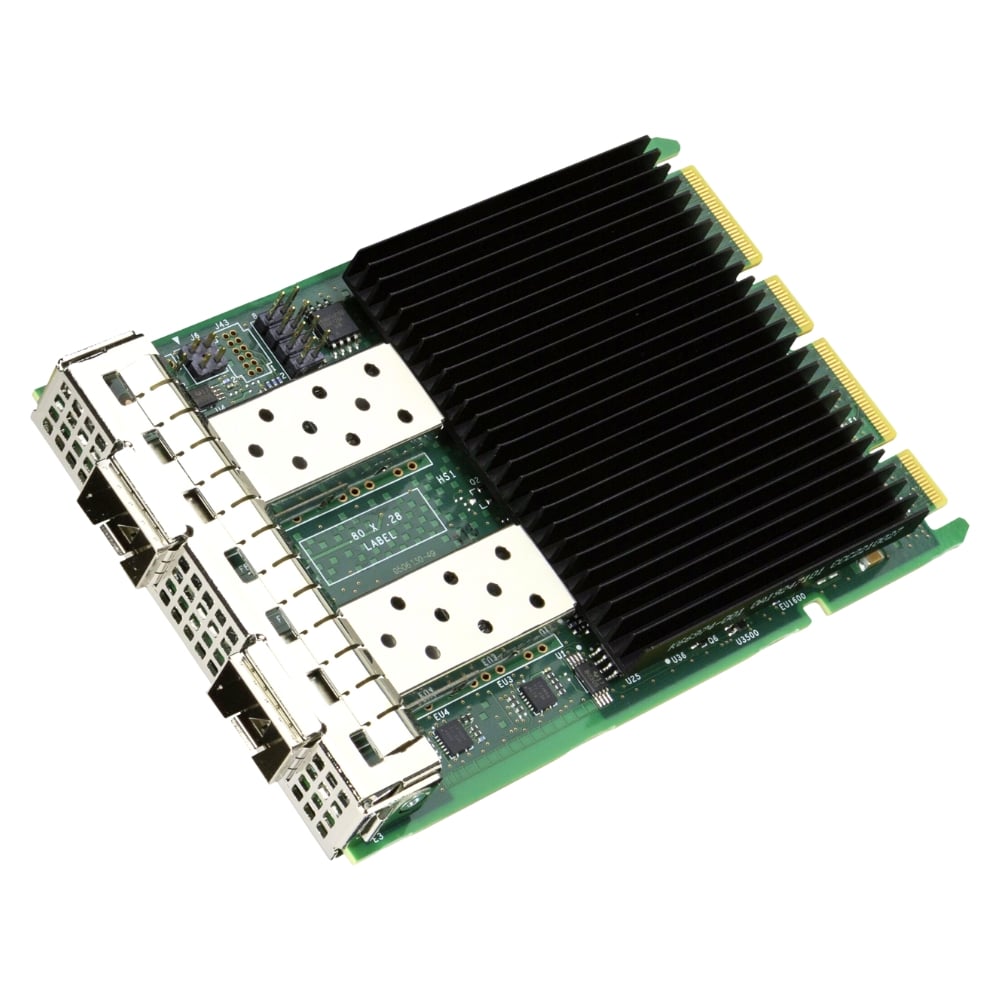
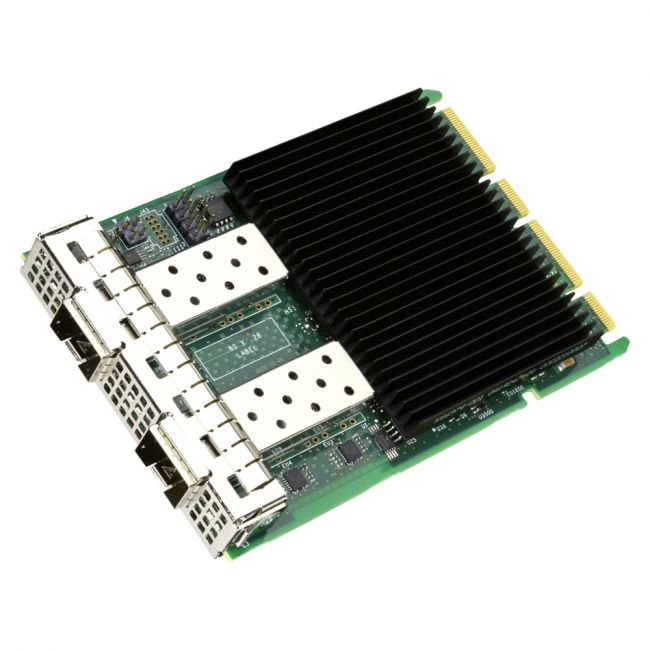
The 0DV0Y Dell Intel E810XXVDA2OCPV3 Dual-Port 25GbE SFP28 OCP NIC 3.0 provides dual 25 Gigabit Ethernet connections using SFP28 modules, complies with OCP NIC 3.0 standards, incorporates the Intel E810 chipset for enhanced networking functions, and supports advanced offload technologies to optimize performance in data center applications. |
General Information |
|
|---|---|
| Brand | Dell |
| Part Number | 0DV0Y |
Technical Information |
|
|---|---|
| Product Type | OCP NIC |
| Chipset/Controller | Intel E810XXVDA2OCPV3 |
| Data Rate (Speed) | 25GbE |
| Number of Ports | 2-Port (Dual) |
| Bracket Height | Internal/Mezzanine |
Connectivity & Physical |
|
|---|---|
| Form Factor | OCP 3.0 |
| Port Type | SFP28 |
| Weight | 3.00 |
| Condition | Refurbished |
Miscellaneous |
|
|---|---|
| Assembly Required | No |
Product Description |
|---|
The 0DV0Y Dell Intel E810XXVDA2OCPV3 Dual-Port 25GbE SFP28 OCP NIC 3.0 is a high-performance network interface card designed to deliver robust and reliable connectivity in demanding data center and enterprise network environments. It features dual 25 Gigabit Ethernet ports utilizing SFP28 modules, enabling fast and efficient data transmission. This network card is generally found in servers and network appliances requiring enhanced bandwidth and low latency for applications such as virtualization, cloud computing, and high-speed storage access. IT professionals and system administrators benefit from its scalability and compliance with modern networking standards. Key Features
This network interface card integrates seamlessly into enterprise infrastructure, enhancing network performance and reliability. Its advanced features make it suitable for high-demand applications requiring efficient data handling and scalable connectivity. |
Use Cases |
|---|
The 0DV0Y Dell Intel E810XXVDA2OCPV3 network card is ideal for environments requiring high-speed, low-latency connectivity with advanced network features. How It's Used:
Its utilization in these scenarios helps organizations improve network efficiency, reduce latency, and scale their infrastructure to meet evolving data demands. |
 Shipping Options
 International Delivery
Requires a UPS, FedEx, or DHL account. Customers may arrange pickup from our US warehouse.
International Delivery
Requires a UPS, FedEx, or DHL account. Customers may arrange pickup from our US warehouse.
 Payment Methods
We accept Visa, Mastercard, AMEX, Discover, and Wire Transfer.
Payment Methods
We accept Visa, Mastercard, AMEX, Discover, and Wire Transfer.
 Purchase Orders
We process purchase orders for government agencies, enterprises, data centers, and SMBs.
Purchase Orders
We process purchase orders for government agencies, enterprises, data centers, and SMBs.