

Subscribe To Our Newsletter!
Subscribe to the newsletter to stay up to date with the latest news and most useful
Newsletter
↑
Back to Top



Product Overview |
|---|
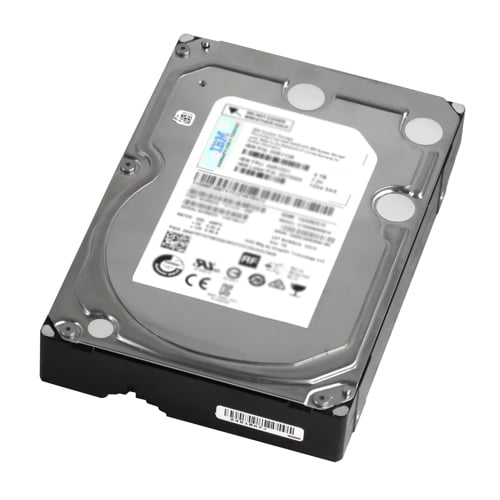
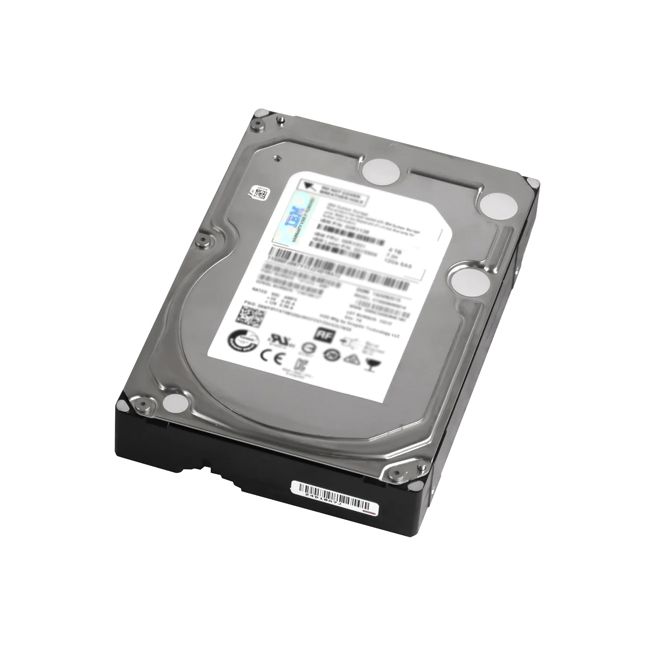
The IBM 120GB IDE Ultra ATA/100 hard drive serves as a reliable storage device tailored for desktop computers requiring the IDE interface. It balances storage capacity with a 7200 RPM speed to keep data access smooth in environments where modern SATA drives aren’t supported. |
General Information |
|
|---|---|
| Brand | IBM |
| Part Number | 09N4249 |
Technical Information |
|
|---|---|
| Capacity | 120GB |
| Form Factor | 3.5-inch |
| Disk Format | IDE/ATA |
| Spindle Speed | 7200 RPM |
| Hot Pluggable | No |
| Hot Swappable | No |
| Hybrid Drive | No |
Interfaces/Ports |
|
|---|---|
| Interface | ATA-100 |
Physical Characteristics |
|
|---|---|
| Condition | Refurbished |
| Weight | 1.76 |
Product Description |
|---|
This IBM 120GB IDE Ultra ATA/100 hard drive offers a solid balance of capacity and speed for everyday computing needs. It’s often found in older desktop systems that require compatible IDE drives with decent storage and consistent performance. Built for users looking to expand or replace existing hard drives without moving to newer interface types, it fits well in environments where IDE connectivity is still in use. Whether for data storage, backup, or running legacy applications, this drive is a practical choice. Key Features
Typically deployed inside desktop PCs and workstations, this drive handles everyday tasks without complications. It’s a straightforward replacement or upgrade option especially in systems where IDE drives remain standard. |
Use Cases |
|---|
The IBM 120GB IDE Ultra ATA/100 hard drive is typically deployed in legacy desktop systems and industrial environments where SATA support is limited or unavailable. It is suited for IT professionals managing hardware refresh cycles in small to medium-sized businesses or organizations maintaining older infrastructure. How It's Used:
This hard drive contributes to operational stability by ensuring compatibility with established IDE environments while sustaining adequate performance levels. It helps IT teams extend the usability of legacy assets without compromising on data accessibility and system responsiveness. |
 Shipping Options
 International Delivery
Requires a UPS, FedEx, or DHL account. Customers may arrange pickup from our US warehouse.
International Delivery
Requires a UPS, FedEx, or DHL account. Customers may arrange pickup from our US warehouse.
 Payment Methods
We accept Visa, Mastercard, AMEX, Discover, and Wire Transfer.
Payment Methods
We accept Visa, Mastercard, AMEX, Discover, and Wire Transfer.
 Purchase Orders
We process purchase orders for government agencies, enterprises, data centers, and SMBs.
Purchase Orders
We process purchase orders for government agencies, enterprises, data centers, and SMBs.