

Subscribe To Our Newsletter!
Subscribe to the newsletter to stay up to date with the latest news and most useful
Newsletter
↑
Back to Top



Product Overview |
|---|
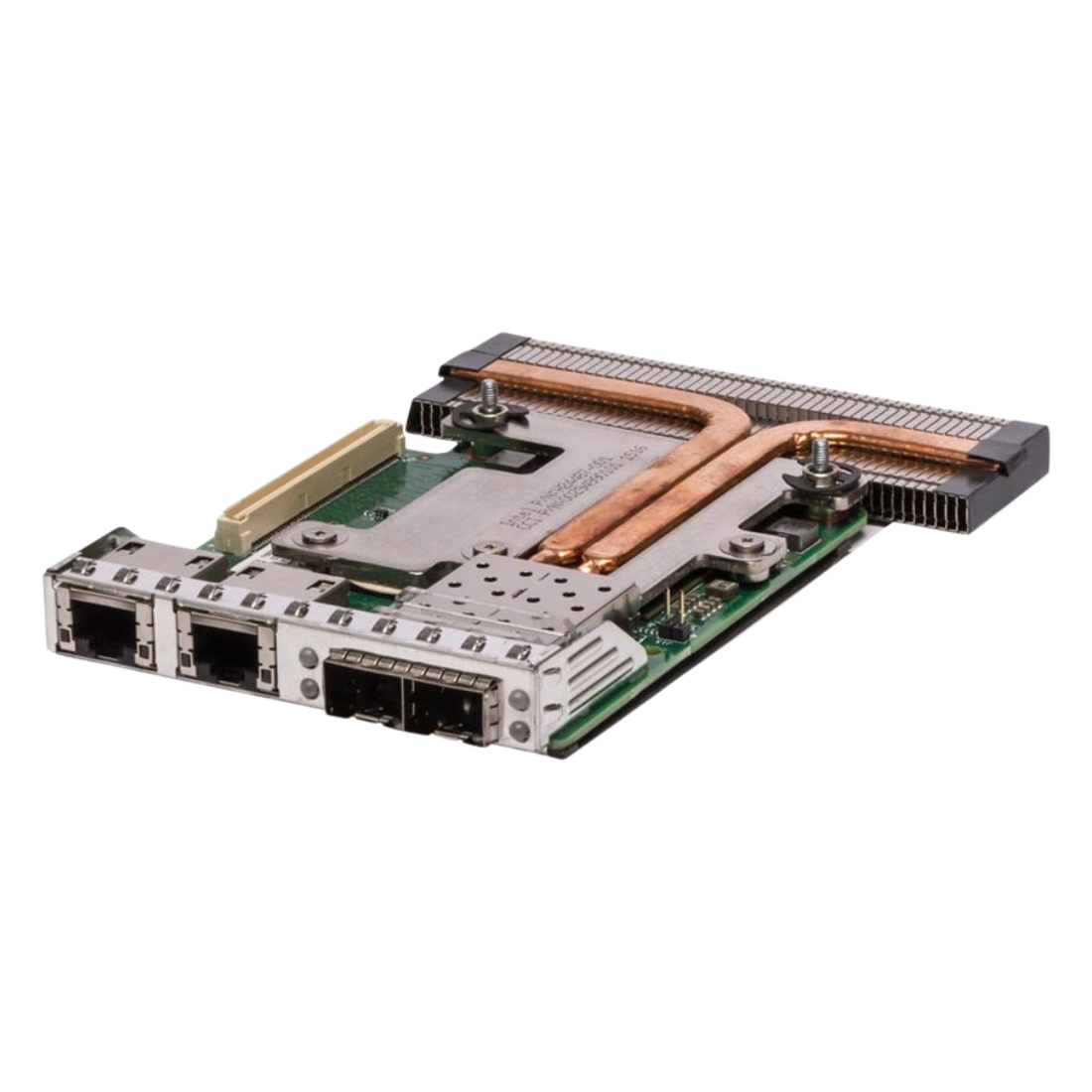
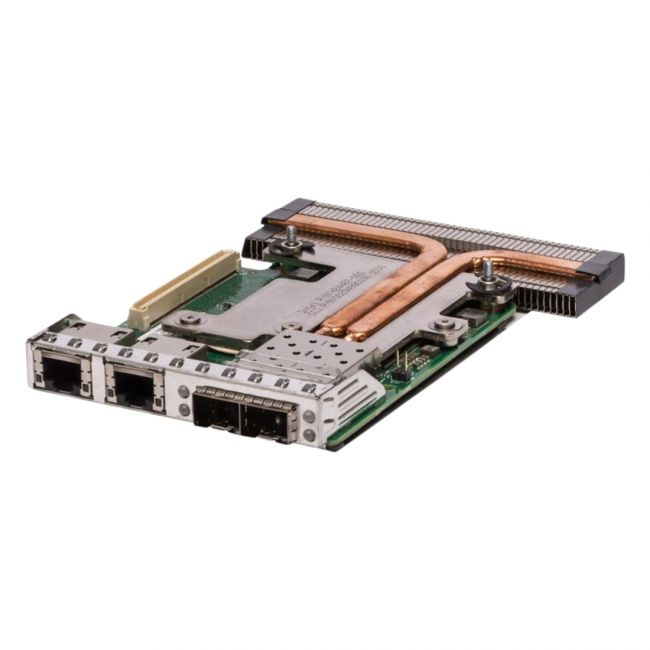
The Dell X710 I350 2-Ports 10Gb/s SFP+ + 2-Ports 1GbE PCI-Express Network Daughter Card provides a versatile networking solution that fits into Dell servers needing both high-speed and standard Ethernet connectivity. It’s designed to handle mixed network environments in data centers, offering multiple port types on a single compact card that plugs into the PCI-Express slot. |
General Information |
|
|---|---|
| Brand | Dell |
| Part Number | 06VDPG |
Technical Information |
|
|---|---|
| Chipset/Controller | Intel X710,Intel I350 |
| Data Rate (Speed) | 10GbE |
| Data Center Bridging | Yes |
| Interface (Bus) | PCIe 3.0 x8 |
| Number of Ports | 4-Port (Quad) |
Connectivity & Physical |
|
|---|---|
| Form Factor | Mezzanine Card |
| Port Type | SFP+ |
| Cabling Type | AOC |
| Weight | 3.00 |
| Condition | Refurbished |
Product Description |
|---|
This Dell X710 I350 Network Daughter Card is built for data centers and enterprise servers needing a mix of 10 Gigabit and Gigabit Ethernet connections. It’s commonly found in setups where high-speed data transfer and reliable network performance are essential for workloads like virtualization, storage, and cloud applications. IT professionals and system administrators often choose this card when upgrading server network capabilities or expanding port options without replacing the entire system. Its PCI-Express form factor allows easy installation into compatible Dell servers. Key Features
This network card is typically deployed in server environments where a combination of fast and standard Ethernet connections is required. It helps optimize network traffic and supports various applications without overhauling the hardware. By using this daughter card, organizations can improve server connectivity while maintaining compatibility with existing infrastructure, making it a practical choice for data-heavy workloads. |
 Shipping Options
 International Delivery
Requires a UPS, FedEx, or DHL account. Customers may arrange pickup from our US warehouse.
International Delivery
Requires a UPS, FedEx, or DHL account. Customers may arrange pickup from our US warehouse.
 Payment Methods
We accept Visa, Mastercard, AMEX, Discover, and Wire Transfer.
Payment Methods
We accept Visa, Mastercard, AMEX, Discover, and Wire Transfer.
 Purchase Orders
We process purchase orders for government agencies, enterprises, data centers, and SMBs.
Purchase Orders
We process purchase orders for government agencies, enterprises, data centers, and SMBs.