

Subscribe To Our Newsletter!
Subscribe to the newsletter to stay up to date with the latest news and most useful
Newsletter
↑
Back to Top



Product Overview |
|---|
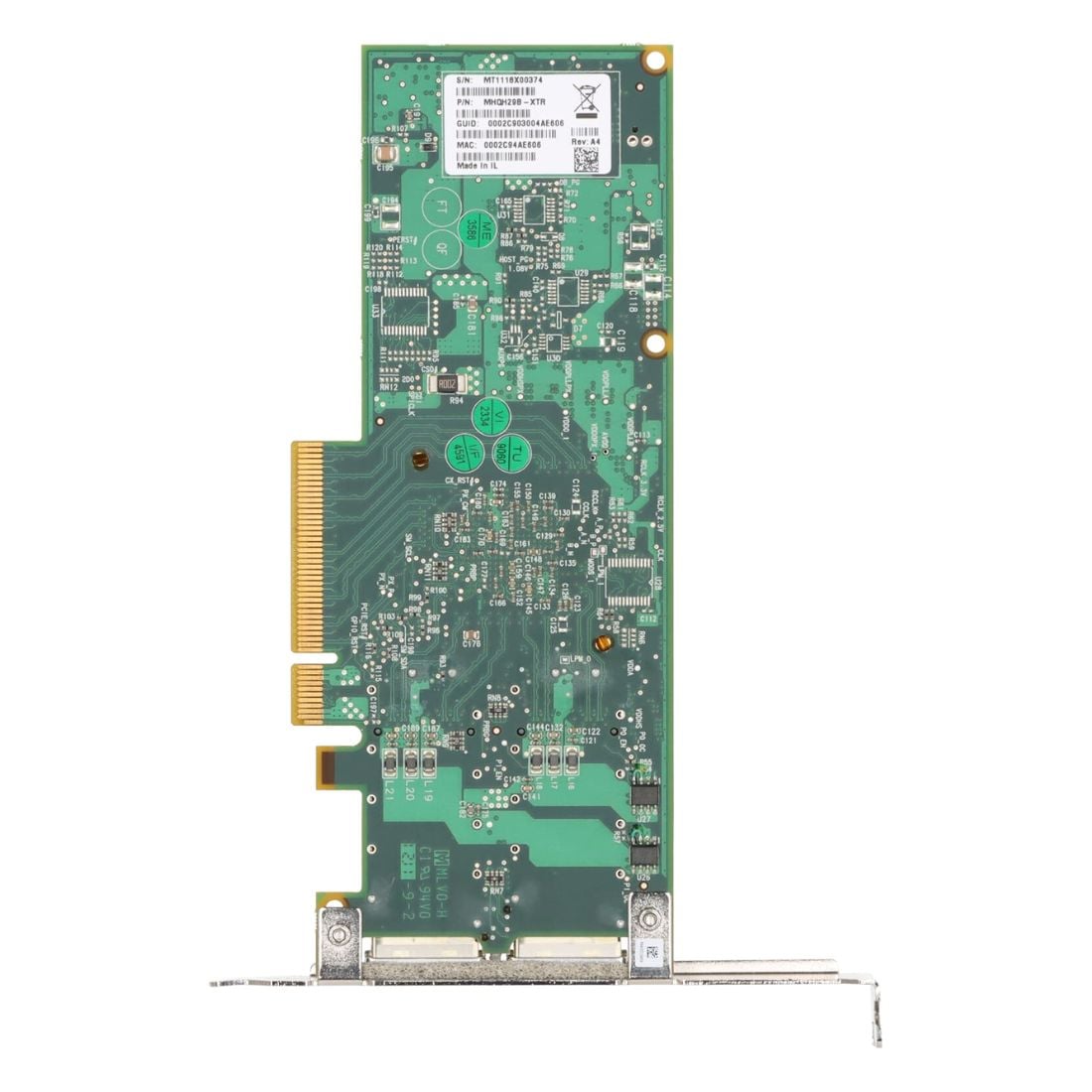
The LSI SAS 9305-16i is a 16-port PCIe 3.0 host bus adapter that connects SAS and SATA drives to servers or storage arrays. It fits between the system and multiple drives, managing data flow efficiently at speeds up to 12Gb/s per port, making it a solid choice for enterprise storage setups that need reliable and fast connectivity. |
General Information |
|
|---|---|
| Brand | LSI Logic |
| Part Number | 05-25703-00005 |
Technical Information |
|
|---|---|
| Protocol | SAS (Serial Attached SCSI) |
| Data Rate | 12Gbps SAS |
| Bus Interface | PCIe 3.0 x8 |
| Connector Type | Mini-SAS HD (SFF-8644) |
| Chipset / Controller | LSI SAS 3008 (Broadcom/Avago 3008) |
| Network Topology | Point-to-Point |
| Bracket Height | Both Brackets Included |
Advanced Features & Compatibility |
|
|---|---|
| Management Features | Boot from SAN, Selective LUN Masking |
| OS Compatibility | Windows Server 2019, Windows Server 2022, VMware ESXi 7.x, VMware ESXi 8.x, RHEL 8, RHEL 9, SLES 15 |
Physical Characteristics |
|
|---|---|
| Weight | 3.00 |
| Condition | Refurbished |
Miscellaneous |
|
|---|---|
| Assembly Required | Yes |
| Eco Friendly | Yes |
| Compliance Standards | WEEE, RoHS, CE, FCC, UL, TUV, cULus, CSA |
Product Description |
|---|
The LSI SAS 9305-16i is a host bus adapter designed to connect multiple SAS and SATA drives to a server or workstation. It enables rapid data access and transfer, making it suitable for environments that demand high throughput and reliability. Often found in data centers and enterprise storage systems, this adapter is built for managing large arrays of drives efficiently. IT professionals and system administrators typically rely on it to enhance storage capacity and performance. Key Features
This adapter is commonly deployed in servers running heavy workloads or storage arrays requiring fast and reliable data paths. Its role in optimizing storage infrastructure helps maintain system responsiveness and efficiency. |
Use Cases |
|---|
The LSI SAS 9305-16i host bus adapter is suited for enterprise IT environments requiring robust internal storage connectivity. It is particularly beneficial in data centers and server farms that handle intensive workloads and need high-speed access to SAS and SATA storage devices. How It's Used:
By providing multiple high-speed SAS connections, this adapter enhances server storage throughput and scalability, enabling organizations to maintain efficient data workflows and accommodate growing storage demands without compromising performance. |
 Shipping Options
 International Delivery
Requires a UPS, FedEx, or DHL account. Customers may arrange pickup from our US warehouse.
International Delivery
Requires a UPS, FedEx, or DHL account. Customers may arrange pickup from our US warehouse.
 Payment Methods
We accept Visa, Mastercard, AMEX, Discover, and Wire Transfer.
Payment Methods
We accept Visa, Mastercard, AMEX, Discover, and Wire Transfer.
 Purchase Orders
We process purchase orders for government agencies, enterprises, data centers, and SMBs.
Purchase Orders
We process purchase orders for government agencies, enterprises, data centers, and SMBs.