

Subscribe To Our Newsletter!
Subscribe to the newsletter to stay up to date with the latest news and most useful
Newsletter
↑
Back to Top



Product Overview |
|---|
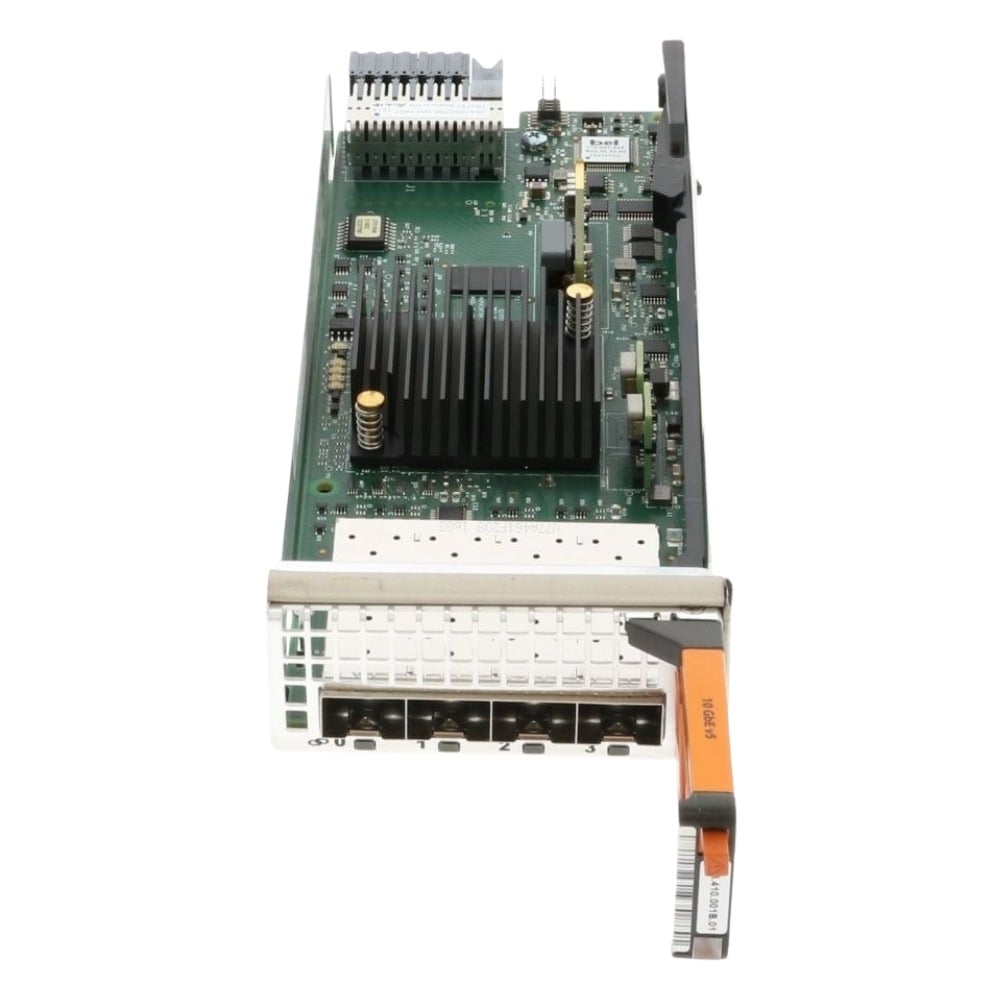
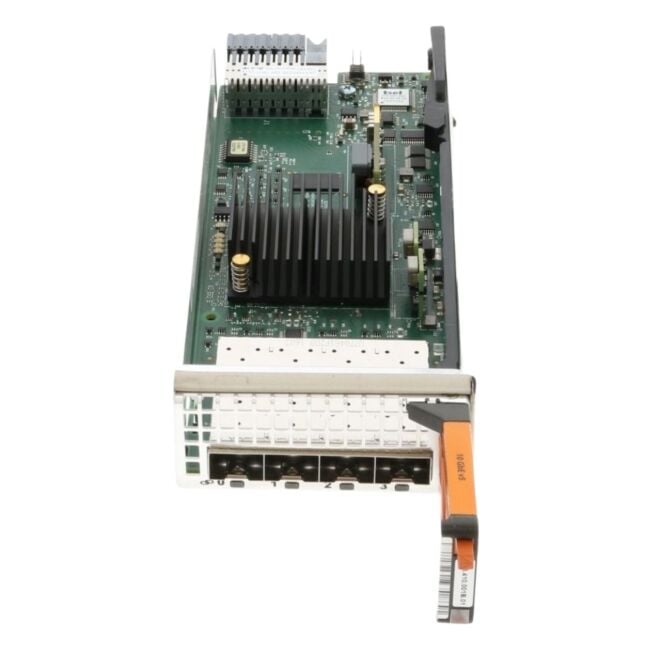
The EMC 4-Port 8GB/s Fibre Channel I/O Module serves as a critical connectivity element in storage networks. It offers multiple high-speed Fibre Channel ports that fit into EMC storage arrays, providing stable and swift data transfers. This module fits into existing SAN architectures to extend or enhance storage network capabilities without extensive reconfiguration. |
General Information |
|
|---|---|
| Brand | EMC |
Technical Information |
|
|---|---|
| Protocol | Fibre Channel (FC) |
| Data Rate | 8Gbps |
| Port Count | 4-Port (Quad) |
| Bus Interface | Mezzanine (LOM) |
| Generation | N/A |
| Connector Type | SFP+ (LC) |
| Network Topology | Switched Fabric (N-Port) |
| Bracket Height | Internal/Mezzanine |
Physical Characteristics |
|
|---|---|
| Weight | 3.00 |
| Condition | Refurbished |
Miscellaneous |
|
|---|---|
| Assembly Required | No |
Product Description |
|---|
The EMC 4-Port 8GB/s Fibre Channel I/O Module provides robust connectivity for storage area networks, delivering rapid data throughput essential to enterprise storage systems. Commonly found in data centers and storage arrays, this module supports high-performance SAN architectures by facilitating quick and reliable access to shared storage resources. Built for IT professionals managing storage infrastructure, it enables efficient network traffic handling and improves storage system responsiveness. Its design ensures compatibility with a range of EMC hardware, supporting seamless network integration. Key Features
This I/O module plays a vital role in maintaining smooth and efficient data flows within storage systems. Its reliability and consistent performance make it a dependable component for ongoing storage network operations. The module’s design also simplifies maintenance and scaling of SAN environments without impacting uptime. |
Use Cases |
|---|
This Fibre Channel I/O Module is typically used within enterprise storage arrays where high bandwidth and low latency are essential. It is most beneficial for environments that require robust, scalable storage networking such as data centers and large IT operations managing extensive virtualization or database workloads. How It's Used:
These use cases highlight the module’s role in enhancing operational efficiency and facilitating scalable storage infrastructure. By supporting high data throughput and reliable connectivity, it contributes to the smooth functioning of complex storage networks. |
 Shipping Options
 International Delivery
Requires a UPS, FedEx, or DHL account. Customers may arrange pickup from our US warehouse.
 Payment Methods
We accept Visa, Mastercard, AMEX, Discover, and Wire Transfer.
 Purchase Orders
We process purchase orders for government agencies, enterprises, data centers, and SMBs.