

Subscribe To Our Newsletter!
Subscribe to the newsletter to stay up to date with the latest news and most useful
Newsletter
↑
Back to Top



Product Overview |
|---|
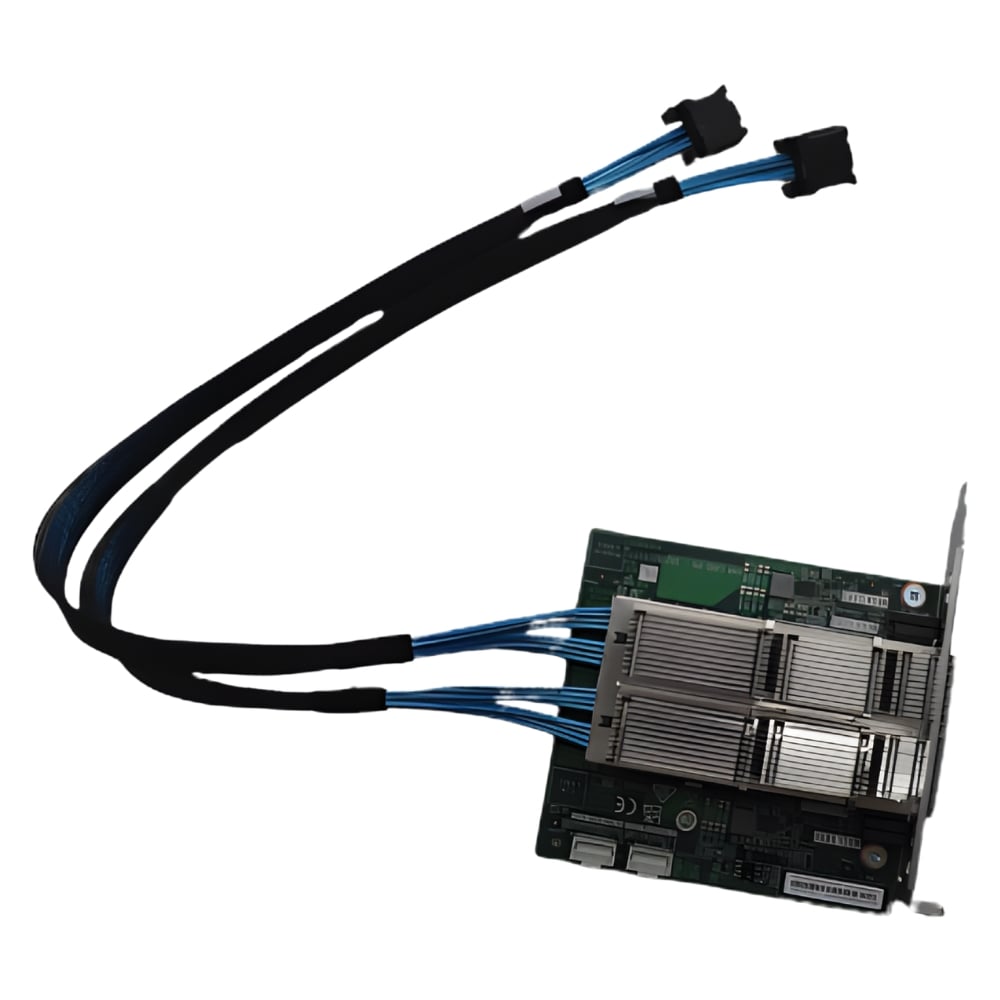
The Lenovo SR675 V3 Front Right I/O Assembly with Dual 400Gb OSFP Ports is a critical part of the server’s network interface. It provides two high-speed optical ports designed to handle large volumes of data, fitting directly into the SR675 V3 chassis for reliable connectivity. This assembly is ideal for environments where rapid data transfer and stable network performance are essential, such as large-scale computing and cloud infrastructures. |
General Information |
|
|---|---|
| Brand | Lenovo |
| Part Number | 03LC800 |
| Alternate Part Number | 03LC800-12-HU |
Connectivity & Physical |
|
|---|---|
| Weight | 3.00 |
| Condition | Refurbished |
Miscellaneous |
|
|---|---|
| Assembly Required | Yes |
| Eco Friendly | Yes |
| Compliance Standards | WEEE, RoHS, cURus, CE, FCC, CCC, UL, TUV, cULus, CSA, cUL |
Product Description |
|---|
This front right I/O assembly is built for the Lenovo SR675 V3 server, providing dual 400Gb OSFP ports to handle demanding network workloads. It's commonly used in data centers and enterprise environments where high-speed, low-latency connections are critical. IT professionals and system administrators often rely on this assembly to maintain efficient, high-performance server operations. Key Features
This component is frequently deployed in enterprise-level data centers that require fast data movement and robust network infrastructure. It plays a crucial role in enabling servers to connect to high-bandwidth networks without bottlenecks, helping maintain overall system efficiency and reliability in heavy workload scenarios. |
Use Cases |
|---|
This front right I/O assembly is essential for environments demanding high-speed data exchange and reliable server connectivity. How It's Used:
By deploying this assembly, organizations ensure their servers maintain optimal network performance and are prepared to meet future data demands. |
 Shipping Options
 International Delivery
Requires a UPS, FedEx, or DHL account. Customers may arrange pickup from our US warehouse.
International Delivery
Requires a UPS, FedEx, or DHL account. Customers may arrange pickup from our US warehouse.
 Payment Methods
We accept Visa, Mastercard, AMEX, Discover, and Wire Transfer.
Payment Methods
We accept Visa, Mastercard, AMEX, Discover, and Wire Transfer.
 Purchase Orders
We process purchase orders for government agencies, enterprises, data centers, and SMBs.
Purchase Orders
We process purchase orders for government agencies, enterprises, data centers, and SMBs.