

Subscribe To Our Newsletter!
Subscribe to the newsletter to stay up to date with the latest news and most useful
Newsletter
↑
Back to Top



Product Overview |
|---|
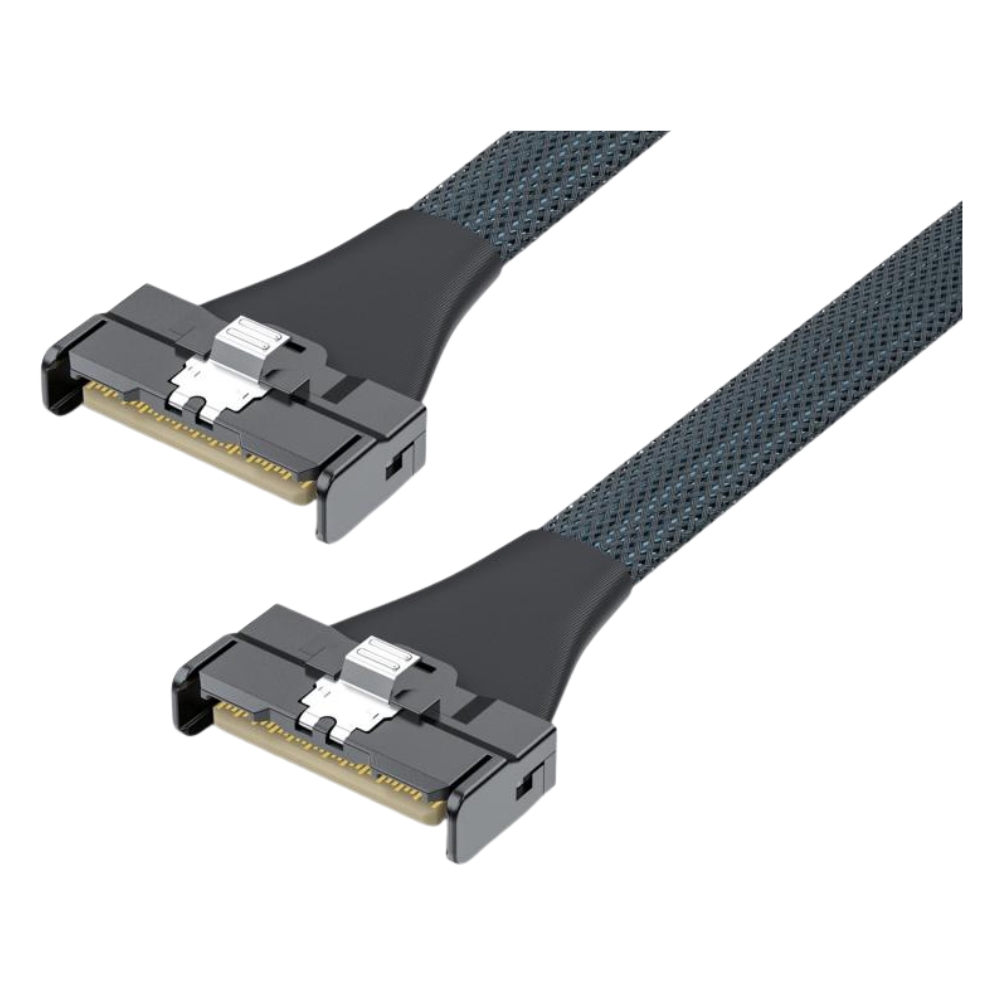
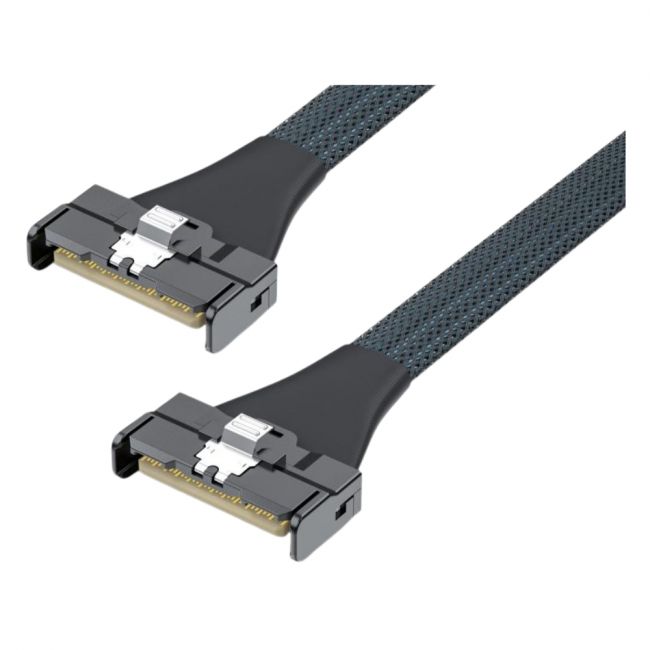
The 03KL508 Lenovo MCIO x8 Cable connects PCIe slots on the motherboard to MCIO riser cards, providing a reliable pathway for data within Lenovo modular server systems. It's an essential component for extending PCIe connectivity in high-density or customized hardware configurations. |
General Information |
|
|---|---|
| Brand | Lenovo |
| Part Number | 03KL508 |
| Alternate Part Number | 03KL508-02-CT |
Technical Information |
|
|---|---|
| Cable Family | Storage |
| Data Rate | PCIe 2.0 x8 (5 GT/s per lane) |
| Cable Length | 980 mm |
| Compatibility | Lenovo motherboards/servers using PCIe 1.0/2.0 x8 to MCIO 1/4 Riser 3 (compatible with Lenovo MCIO Riser 3 configurations) |
| Product Category | Cable Assemblies |
Physical Characteristics |
|
|---|---|
| Weight | 3.00 |
| Condition | Refurbished |
Product Description |
|---|
This Lenovo MCIO x8 cable provides a dedicated connection between PCIe slots on the motherboard and MCIO riser cards, allowing for expanded system configurations. It's commonly used in Lenovo servers and workstations that rely on modular card extensions. Built for data center and enterprise environments, system builders and IT professionals use this cable to optimize hardware layouts and maintain signal integrity over longer distances inside the chassis. Key Features
This cable is typically found inside Lenovo servers where space constraints require flexible cable routing and modular component setups. Its role is critical in maintaining consistent communication between the motherboard and expansion cards, helping ensure smooth system performance. |
Use Cases |
|---|
The 03KL508 Lenovo MCIO x8 Cable is essential for configuring and expanding PCIe slot options in Lenovo workstations and servers. How It's Used:
Proper installation of this cable increases system flexibility and helps maintain optimal data throughput in professional computing environments. |
 Shipping Options
 International Delivery
Requires a UPS, FedEx, or DHL account. Customers may arrange pickup from our US warehouse.
International Delivery
Requires a UPS, FedEx, or DHL account. Customers may arrange pickup from our US warehouse.
 Payment Methods
We accept Visa, Mastercard, AMEX, Discover, and Wire Transfer.
Payment Methods
We accept Visa, Mastercard, AMEX, Discover, and Wire Transfer.
 Purchase Orders
We process purchase orders for government agencies, enterprises, data centers, and SMBs.
Purchase Orders
We process purchase orders for government agencies, enterprises, data centers, and SMBs.