

Subscribe To Our Newsletter!
Subscribe to the newsletter to stay up to date with the latest news and most useful
Newsletter
↑
Back to Top



Product Overview |
|---|
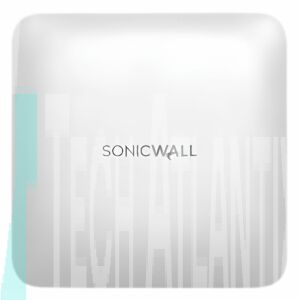
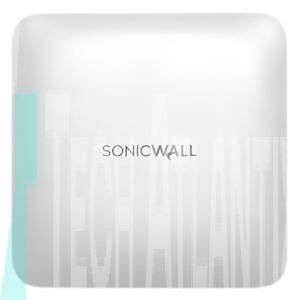
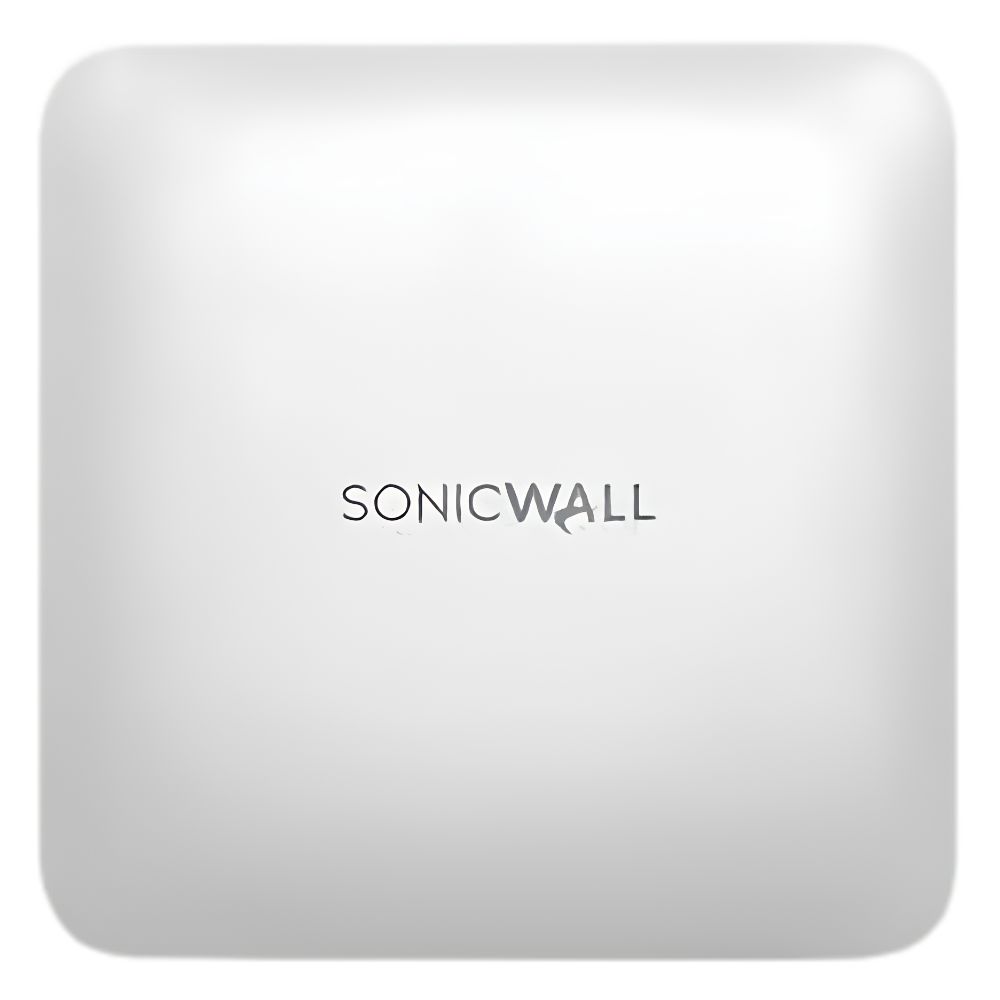
The 03-SSC-0329 SonicWall 2.4/5GHz Wi-Fi 6 802.11ax Ceiling Wireless AP delivers dual-band wireless connectivity using the latest Wi-Fi 6 standard, designed for ceiling installation to enhance wireless coverage in enterprise settings. |
General Information |
|
|---|---|
| Brand | SonicWall |
Technical Information |
|
|---|---|
| Frequency Bands | 2.4 GHz,5 GHz |
| Interface | Wi‑Fi |
| WiFi Standard | 802.11ax (Wi‑Fi 6) |
| Antenna | Internal |
| MIMO | Yes |
Physical Characteristics |
|
|---|---|
| Weight | 3.00 |
| Condition | Refurbished |
Miscellaneous |
|
|---|---|
| Assembly Required | No |
| Compliance Standards | WEEE, RoHS, CE, FCC |
Product Description |
|---|
The 03-SSC-0329 SonicWall Ceiling Wireless AP is a dual-band access point that supports Wi-Fi 6 (802.11ax) standards on both 2.4 GHz and 5 GHz frequencies. It is designed to be mounted on ceilings to provide broad wireless coverage in office or enterprise environments. This access point is typically deployed by IT professionals and network administrators seeking to enhance wireless connectivity and capacity within their network infrastructure. Key Features
This SonicWall access point plays a role in expanding and upgrading wireless network capabilities, accommodating a greater number of devices while maintaining signal integrity. It is suited for environments requiring modern wireless technology deployment without compromising coverage. |
Use Cases |
|---|
This SonicWall ceiling wireless access point is typically used in office buildings, schools, and enterprise environments where broad wireless coverage and support for multiple devices are necessary. It is suited for locations requiring modern Wi-Fi 6 technology to support current wireless clients. How It's Used:
The access point facilitates efficient wireless network deployment by improving capacity and coverage in various indoor environments. It supports operational needs without altering existing network architectures significantly. |
FAQ's |
|---|
|
 Shipping Options
 International Delivery
Requires a UPS, FedEx, or DHL account. Customers may arrange pickup from our US warehouse.
 Payment Methods
We accept Visa, Mastercard, AMEX, Discover, and Wire Transfer.
 Purchase Orders
We process purchase orders for government agencies, enterprises, data centers, and SMBs.