

Subscribe To Our Newsletter!
Subscribe to the newsletter to stay up to date with the latest news and most useful
Newsletter
↑
Back to Top



Product Overview |
|---|
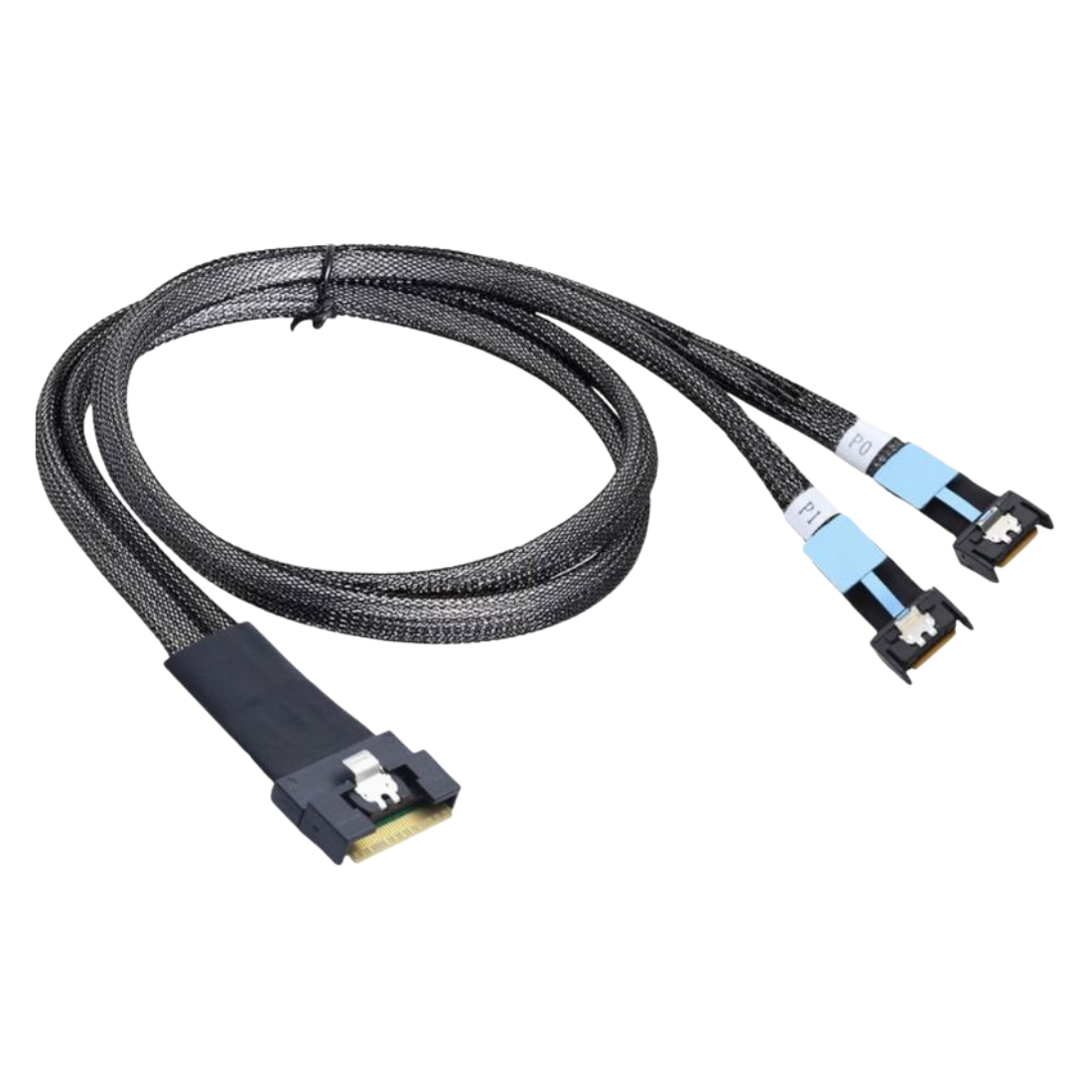
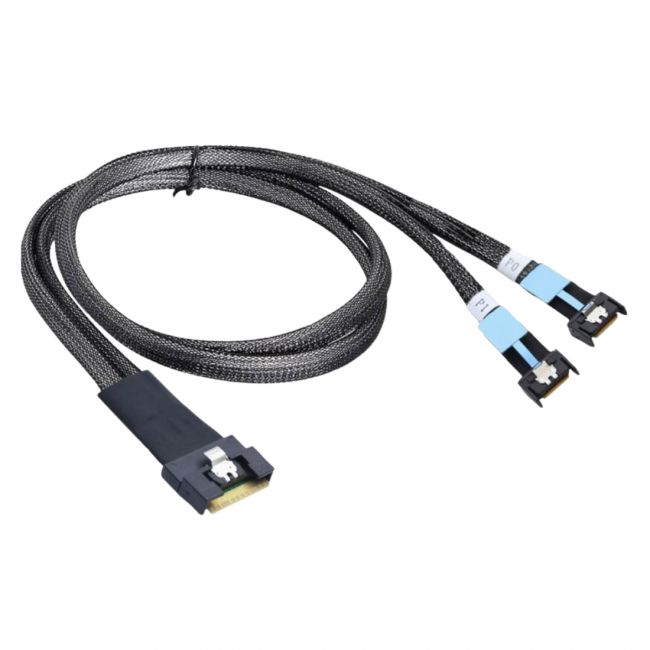
The 02YE453 Lenovo 820mm SL X8 to MCIO X8 PCIe 4.0 signal cable enables stable, high-speed connections between specific Lenovo interfaces. It fits into server or workstation configurations requiring PCIe 4.0 bandwidth and secure signal integrity over longer distances within the chassis. |
General Information |
|
|---|---|
| Brand | Lenovo |
| Part Number | 02YE453 |
| Alternate Part Number | 02YE453-03-CT |
Technical Information |
|
|---|---|
| Data Rate | PCIe 4.0 x8 (≈126 Gbps) |
| Cable Length | 820mm |
| Product Category | Data Cables |
Connectivity |
|
|---|---|
| Connector A | SlimSAS SFF-8654 |
| Connector B | MCIO |
| Cable Connector Gender | Male to Male |
| Connector Type | SlimSAS (SFF-8654) to MCIO proprietary connector |
Physical Characteristics |
|
|---|---|
| Form Factor | x8 (PCIe) |
| Condition | Refurbished |
Product Description |
|---|
This 820mm SL X8 to MCIO X8 PCIe 4.0 signal cable is built to facilitate high-speed data connections within Lenovo systems. It's commonly used in configurations where the SL X8 interface needs to connect securely to an MCIO X8 port. IT professionals and system integrators often choose this cable to ensure stable and efficient signal transmission in enterprise environments. Key Features
This cable is typically deployed in data centers or workstation setups where precise connectivity is essential for maintaining system integrity. Its role is critical in environments demanding consistent PCIe 4.0 bandwidth without signal degradation. |
Use Cases |
|---|
The 02YE453 Lenovo 820mm SL X8 to MCIO X8 PCIe 4.0 Signal Cable is typically utilized by IT professionals and system builders in data centers and enterprise environments to ensure seamless connectivity within Lenovo systems. How It's Used:
Its deployment is crucial for maintaining system performance and reliability, especially in environments demanding high data throughput and low latency. |
 Shipping Options
 International Delivery
Requires a UPS, FedEx, or DHL account. Customers may arrange pickup from our US warehouse.
International Delivery
Requires a UPS, FedEx, or DHL account. Customers may arrange pickup from our US warehouse.
 Payment Methods
We accept Visa, Mastercard, AMEX, Discover, and Wire Transfer.
Payment Methods
We accept Visa, Mastercard, AMEX, Discover, and Wire Transfer.
 Purchase Orders
We process purchase orders for government agencies, enterprises, data centers, and SMBs.
Purchase Orders
We process purchase orders for government agencies, enterprises, data centers, and SMBs.