

Subscribe To Our Newsletter!
Subscribe to the newsletter to stay up to date with the latest news and most useful
Newsletter
↑
Back to Top



Product Overview |
|---|
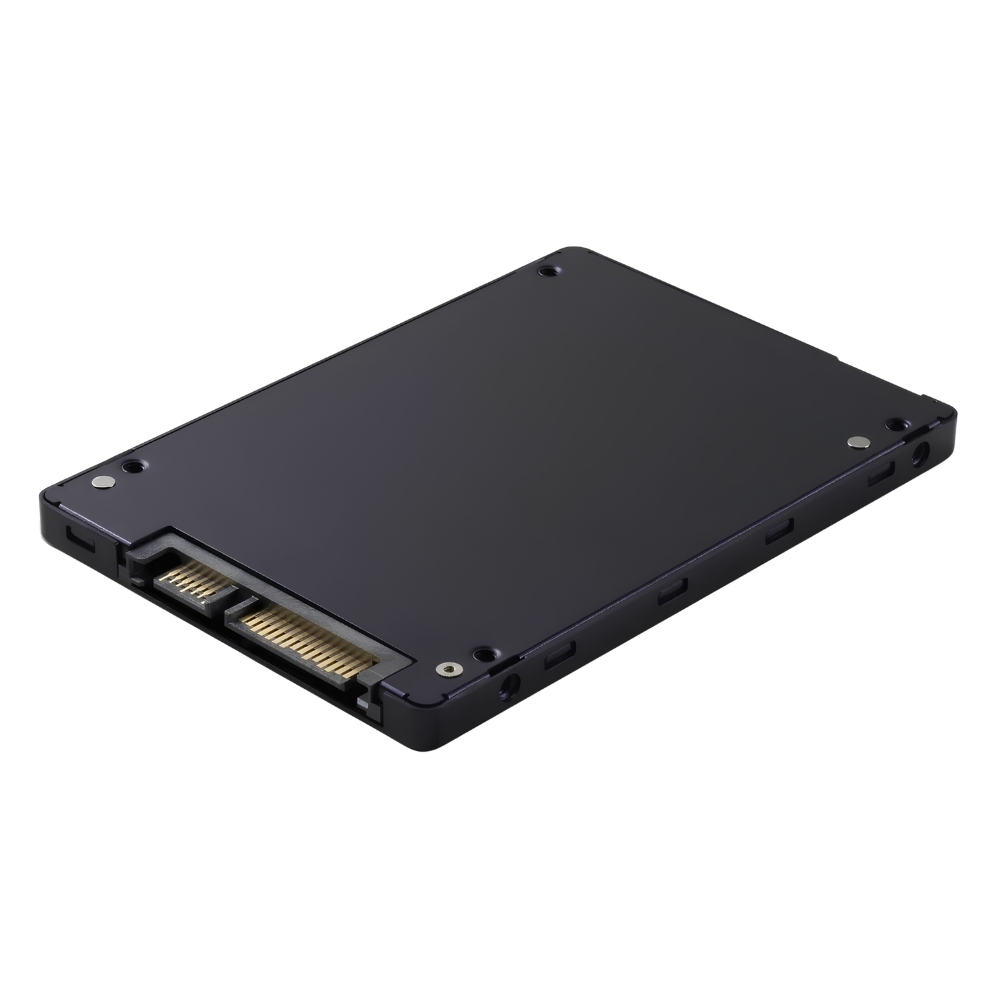
The Lenovo 1TB PCI Express 3.0 x4 NVMe M.2 2280 Internal Solid State Drive is designed to provide fast, reliable storage primarily for ThinkSystem servers. It fits the M.2 slot and takes advantage of PCIe 3.0 bandwidth to accelerate data access in professional and enterprise environments. |
General Information |
|
|---|---|
| Brand | Lenovo |
| Part Number | 01PG562 |
| Alternate Part Number | 01PG562-02-UK |
Technical Information |
|
|---|---|
| Capacity | 1TB |
| NAND Flash | 3D TLC |
| Memory Technology | Triple-Level Cell (TLC) |
| Form Factor | M.2 2280 |
| Interface | PCIe Gen 3.0 x4 |
| Hot Swappable | No |
| Hot Pluggable | No |
Physical Characteristics |
|
|---|---|
| Dimensions | 3.5 x 22 x 80 mm |
| Weight | 3.00 |
| Condition | Refurbished |
Miscellaneous |
|
|---|---|
| Compliance Standards | RoHS, CE, FCC |
Product Description |
|---|
This Lenovo 1TB PCIe NVMe M.2 SSD delivers reliable and rapid storage designed to boost system responsiveness. It’s commonly used in data centers and enterprise servers where swift access to large files is crucial. Built for Lenovo ThinkSystem hardware, it fits seamlessly into existing infrastructure. The drive is often found in setups requiring dependable performance for virtualization, databases, or heavy I/O workloads. IT professionals and system administrators benefit from its solid endurance and low latency. Key Features
This SSD commonly appears in server racks powering business-critical applications. Its consistent speed and compatibility make it a practical choice for enterprises maintaining uptime and performance without compromise. |
Use Cases |
|---|
This internal solid state drive is intended for various enterprise storage scenarios where speed and reliability are paramount. How It's Used:
Its deployment in critical IT infrastructures helps maintain efficient and reliable system operation under demanding workloads. |
 Shipping Options
 International Delivery
Requires a UPS, FedEx, or DHL account. Customers may arrange pickup from our US warehouse.
International Delivery
Requires a UPS, FedEx, or DHL account. Customers may arrange pickup from our US warehouse.
 Payment Methods
We accept Visa, Mastercard, AMEX, Discover, and Wire Transfer.
Payment Methods
We accept Visa, Mastercard, AMEX, Discover, and Wire Transfer.
 Purchase Orders
We process purchase orders for government agencies, enterprises, data centers, and SMBs.
Purchase Orders
We process purchase orders for government agencies, enterprises, data centers, and SMBs.