

Subscribe To Our Newsletter!
Subscribe to the newsletter to stay up to date with the latest news and most useful
Newsletter
↑
Back to Top



Product Overview |
|---|
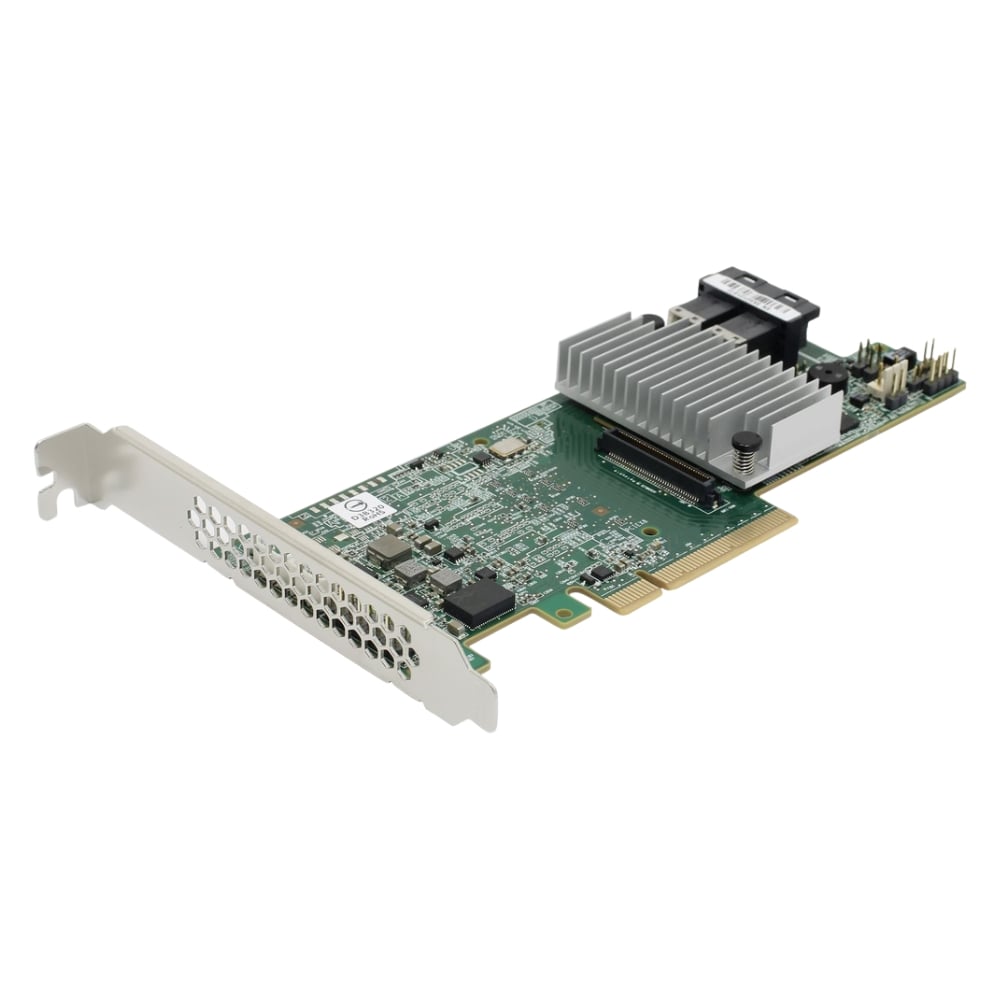
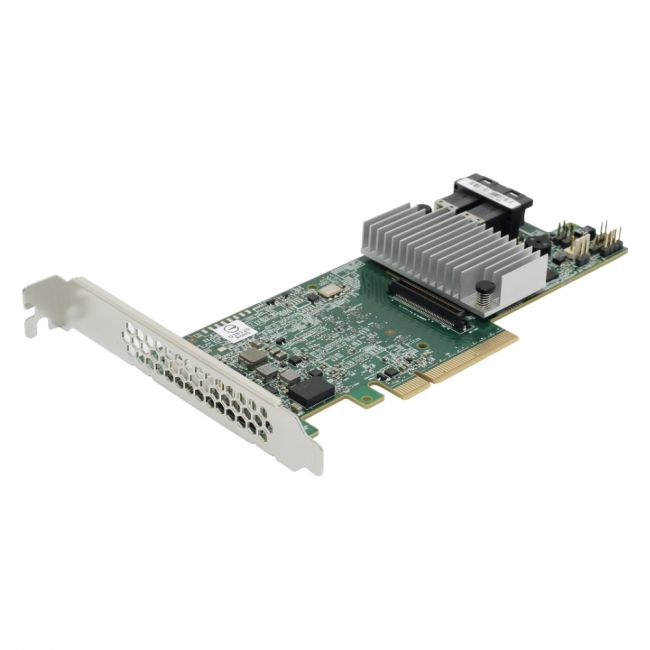
The Lenovo ThinkSystem 810-4P NVMe Switch Adapter connects multiple NVMe storage devices within a server environment, improving data transfer speeds and reducing bottlenecks. It fits into 4-processor socket Lenovo ThinkSystem servers and is a vital component for organizations focused on optimizing storage performance and scalability in their infrastructure. |
General Information |
|
|---|---|
| Brand | Lenovo |
| Part Number | 01PE198 |
| Alternate Part Number | 01PE198-98-HU |
Physical Characteristics |
|
|---|---|
| Weight | 3.00 |
| Condition | Refurbished |
Product Description |
|---|
The Lenovo ThinkSystem 810-4P NVMe Switch Adapter is built to accelerate storage performance in demanding server environments. Often found in data centers and enterprise-grade systems, this adapter facilitates efficient NVMe storage networking by connecting multiple NVMe drives with minimal latency. Designed for use in multi-processor (4P) Lenovo ThinkSystem servers, it targets workloads requiring rapid access to flash storage, such as database management, virtualization, and AI applications. IT professionals and system administrators benefit from its ability to streamline data flow and improve overall system responsiveness. Key Features
This adapter is typically deployed in enterprise data centers aiming to maximize NVMe storage efficiency. It plays a key role in setups where swift data transfer and low latency are critical, such as cloud infrastructure and high-performance computing. The Lenovo ThinkSystem 810-4P helps maintain smooth operation under heavy storage demands. |
Use Cases |
|---|
The 01PE198 Lenovo ThinkSystem 810-4P NVMe Switch Adapter is utilized in various high-performance computing scenarios where fast data access and storage scalability are paramount. How It's Used:
Its deployment helps organizations build efficient, high-speed storage networks that meet the demands of modern IT infrastructures. |
 Shipping Options
 International Delivery
Requires a UPS, FedEx, or DHL account. Customers may arrange pickup from our US warehouse.
International Delivery
Requires a UPS, FedEx, or DHL account. Customers may arrange pickup from our US warehouse.
 Payment Methods
We accept Visa, Mastercard, AMEX, Discover, and Wire Transfer.
Payment Methods
We accept Visa, Mastercard, AMEX, Discover, and Wire Transfer.
 Purchase Orders
We process purchase orders for government agencies, enterprises, data centers, and SMBs.
Purchase Orders
We process purchase orders for government agencies, enterprises, data centers, and SMBs.