

Subscribe To Our Newsletter!
Subscribe to the newsletter to stay up to date with the latest news and most useful
Newsletter
↑
Back to Top



Product Overview |
|---|
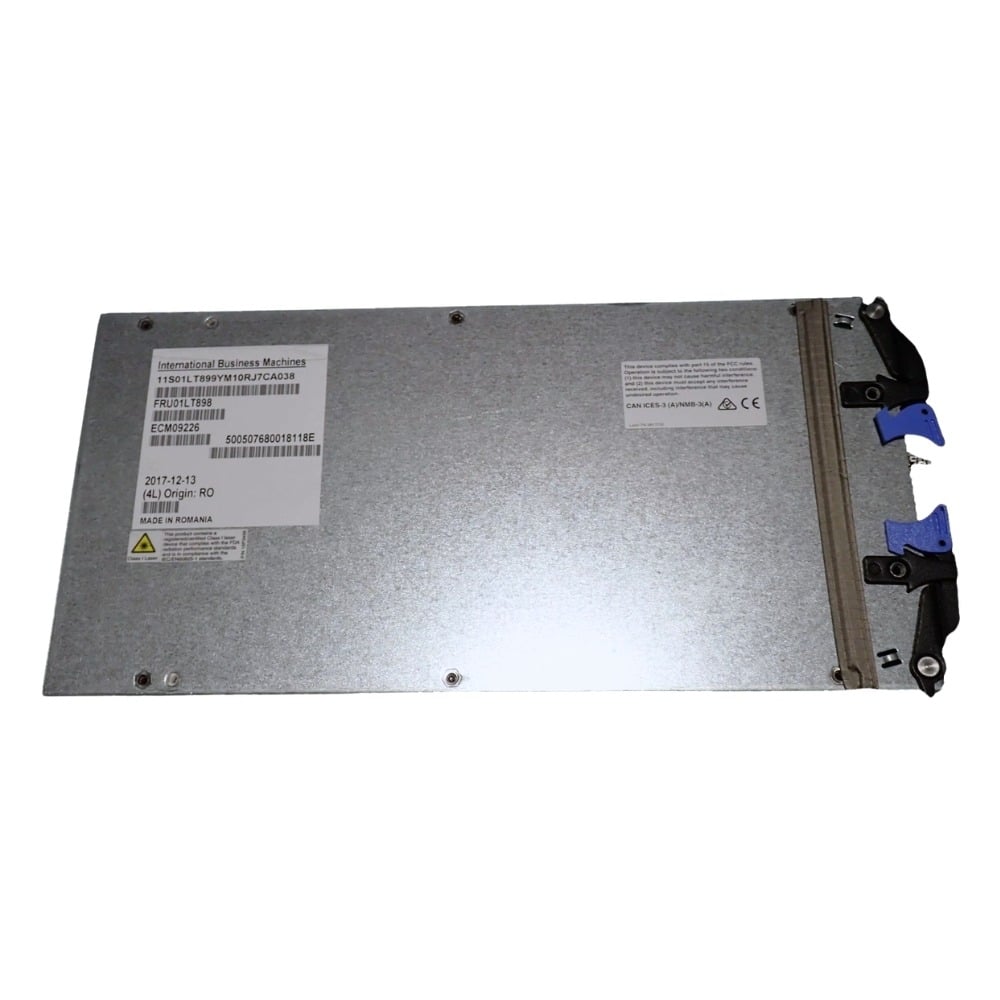
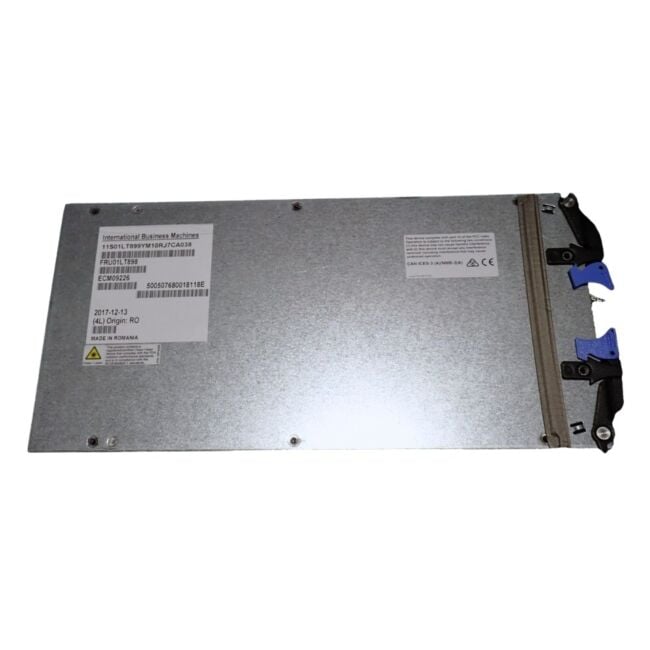
The 01LT898 - IBM 4 x Ports Fibre Channel Network Interface Card provides multiple fiber channel connections that enable efficient data exchange between servers and storage devices. It fits into IBM server environments where consistent and fast network performance is necessary, helping maintain the overall integrity of storage communications. |
General Information |
|
|---|---|
| Brand | IBM |
Technical Information |
|
|---|---|
| Protocol | Fibre Channel (FC) |
| Port Count | 4-Port (Quad) |
Physical Characteristics |
|
|---|---|
| Weight | 3.00 |
| Condition | Refurbished |
Miscellaneous |
|
|---|---|
| Assembly Required | No |
Product Description |
|---|
The 01LT898 is a network interface card equipped with four Fibre Channel ports, designed to facilitate fast and dependable connections in storage area networks. It is commonly found in IBM server setups where robust data exchange with storage systems is critical. IT professionals and system administrators often rely on this card to maintain seamless communication between servers and storage arrays. Key Features
This network interface card plays a key role in establishing resilient and high-performance links within storage networks. It offers dependable operation that supports continuous data access and transfer, making it a practical choice for maintaining overall system efficiency and reliability. |
Use Cases |
|---|
This network interface card is typically deployed in IT infrastructures where reliable storage connectivity is essential. It benefits environments that require high-speed data transfers and low-latency communications, particularly in enterprise and data center settings. How It's Used:
By enabling efficient and stable fiber channel connections, this card helps maintain operational consistency and scalability in demanding storage networks. Its role is pivotal in supporting the performance and reliability that modern IT infrastructures depend on. |
 Shipping Options
 International Delivery
Requires a UPS, FedEx, or DHL account. Customers may arrange pickup from our US warehouse.
 Payment Methods
We accept Visa, Mastercard, AMEX, Discover, and Wire Transfer.
 Purchase Orders
We process purchase orders for government agencies, enterprises, data centers, and SMBs.