

Subscribe To Our Newsletter!
Subscribe to the newsletter to stay up to date with the latest news and most useful
Newsletter
↑
Back to Top



Product Overview |
|---|
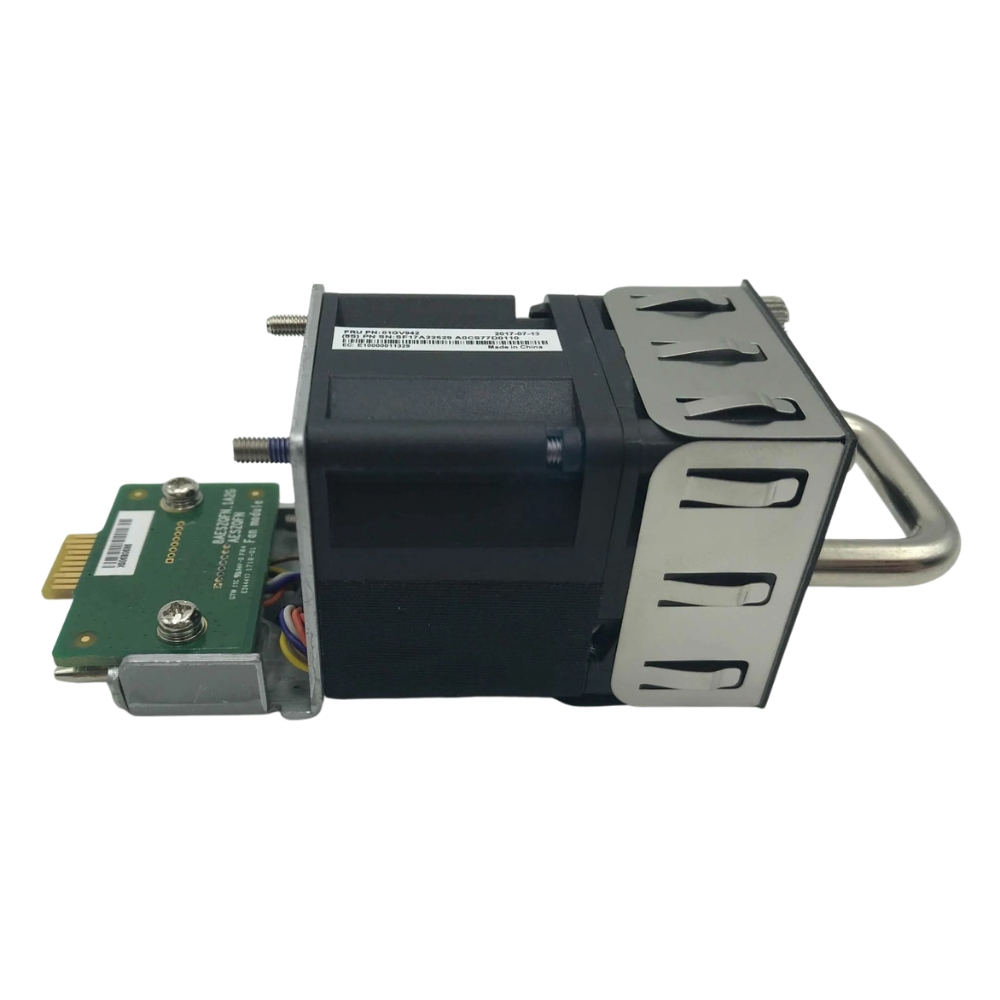
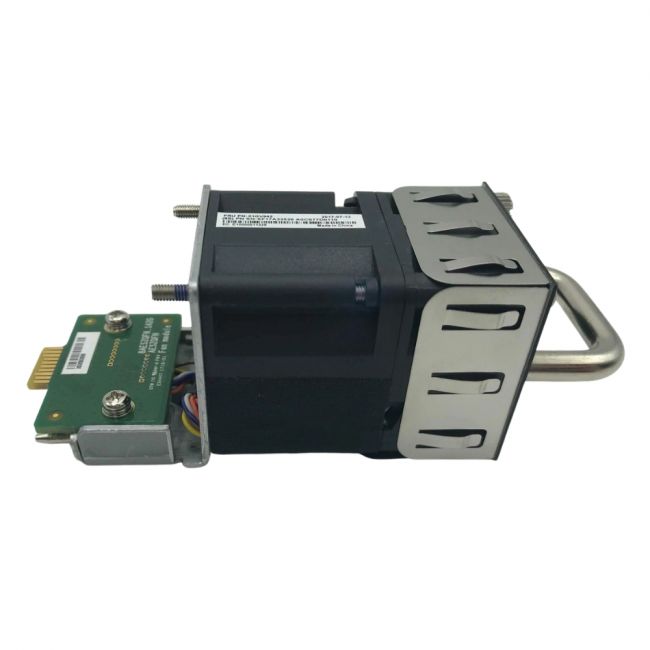
The IBM Front-to-Rear Fan Module helps maintain proper airflow inside IBM System x servers by moving cool air across internal components. It fits directly into the server chassis, offering a straightforward way to improve cooling without redesigning the system layout. This fan module is a practical choice for data centers focused on reliability and efficient hardware operation. |
General Information |
|
|---|---|
| Brand | IBM |
| Part Number | 01GV942 |
| Alternate Part Number | 01GV942-04-UK |
Technical Specification |
|
|---|---|
| Component Type | Fan Tray |
| Cooling Method | Active |
| Airflow Direction | Front-to-Rear |
Physical Characteristics |
|
|---|---|
| Weight | 3.00 |
| Condition | Refurbished |
Miscellaneous |
|
|---|---|
| Assembly Required | Yes |
| Eco Friendly | Yes |
| Compliance Standards | WEEE, RoHS |
Product Description |
|---|
The IBM Front-to-Rear Fan Module is built to maintain optimal cooling by directing airflow from the front to the rear of the server chassis. It’s commonly found in IBM System x servers, where managing heat in compact spaces is critical to performance and hardware longevity. Designed for IT professionals and data center operators, this fan module helps keep server components at safe operating temperatures, preventing overheating during heavy workloads. Key Features
This fan module is typically deployed in enterprise data centers and server rooms where IBM hardware is in use. It plays a crucial role in preserving system stability and extending the lifespan of expensive equipment without requiring complex cooling solutions. |
Use Cases |
|---|
The 01GV942 IBM Front-to-Rear Fan Module is utilized primarily in server cooling systems to maintain appropriate temperatures within IBM server units. How It's Used:
This fan module is a critical component for maintaining the health and performance of IBM servers in various professional computing environments. |
 Shipping Options
 International Delivery
Requires a UPS, FedEx, or DHL account. Customers may arrange pickup from our US warehouse.
International Delivery
Requires a UPS, FedEx, or DHL account. Customers may arrange pickup from our US warehouse.
 Payment Methods
We accept Visa, Mastercard, AMEX, Discover, and Wire Transfer.
Payment Methods
We accept Visa, Mastercard, AMEX, Discover, and Wire Transfer.
 Purchase Orders
We process purchase orders for government agencies, enterprises, data centers, and SMBs.
Purchase Orders
We process purchase orders for government agencies, enterprises, data centers, and SMBs.