

Subscribe To Our Newsletter!
Subscribe to the newsletter to stay up to date with the latest news and most useful
Newsletter
↑
Back to Top



Product Overview |
|---|
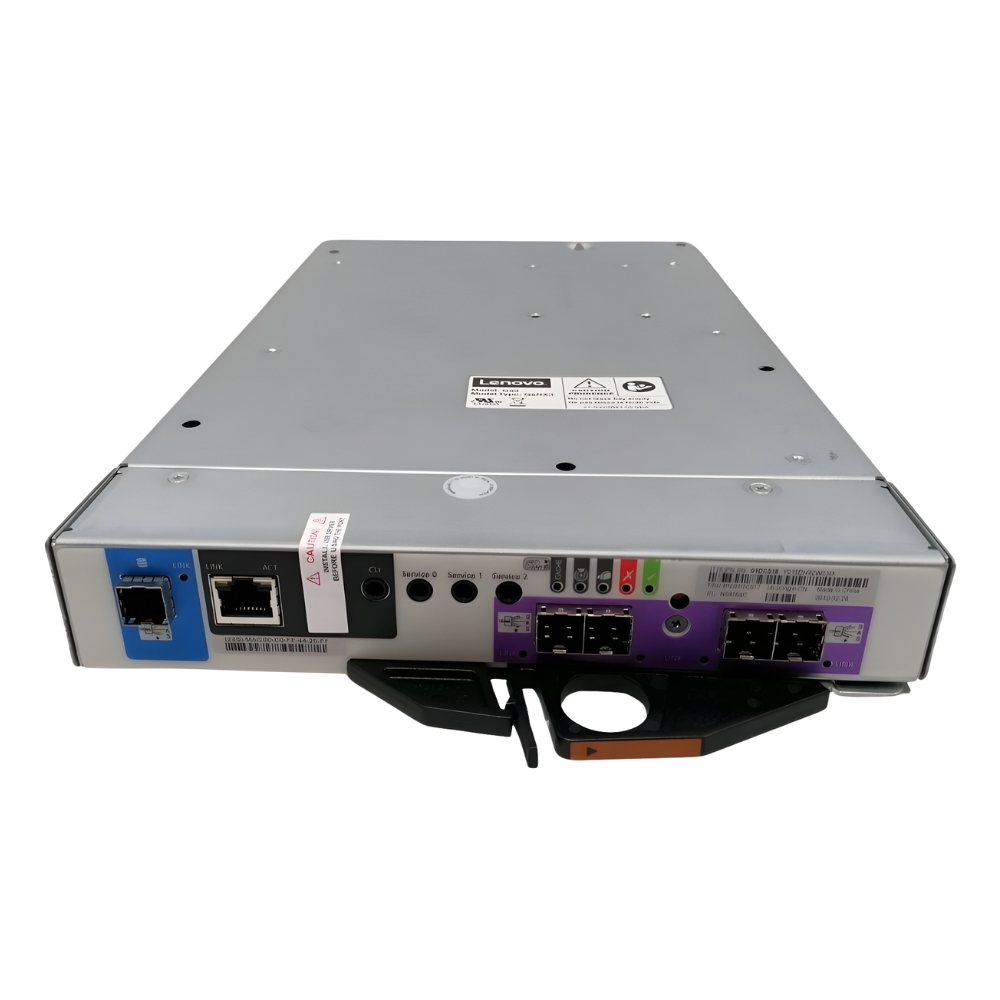
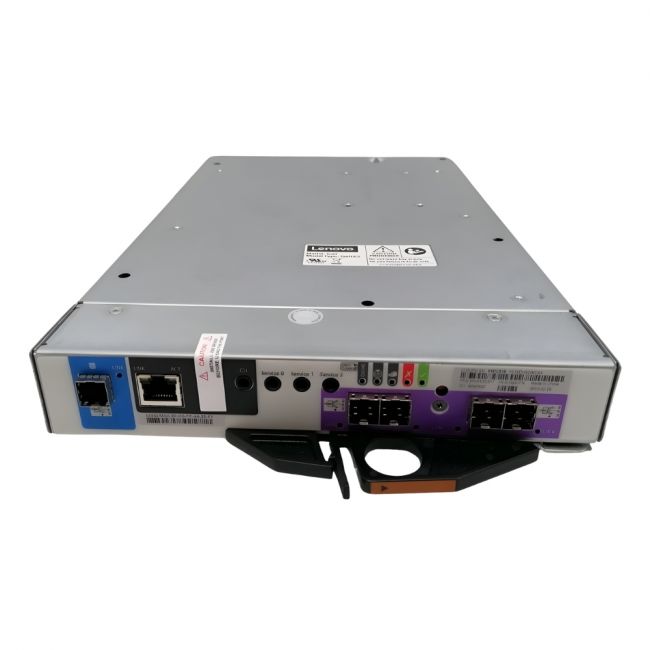
The Lenovo ThinkSystem DS6200 RAID Controller manages storage arrays by coordinating data across drives to ensure both performance and protection. It fits within Lenovo's DS6200 storage system lineup, providing the essential RAID functionality needed for business-level data handling without unnecessary complexity. |
General Information |
|
|---|---|
| Brand | Lenovo |
| Part Number | 01DC516 |
| Alternate Part Number | 01DC516-02-UK |
Technical Specification |
|
|---|---|
| Compatibility | Lenovo ThinkSystem DS6200 |
Physical Characteristics |
|
|---|---|
| Weight | 3.00 |
| Condition | Refurbished |
Miscellaneous |
|
|---|---|
| Eco Friendly | Yes |
| Compliance Standards | WEEE, RoHS, CE, FCC, UL |
Product Description |
|---|
The Lenovo ThinkSystem DS6200 RAID Controller manages data storage across multiple drives to improve performance and protect against data loss. Built for use in Lenovo's DS6200 storage arrays, it handles complex RAID configurations that balance speed and redundancy. Often found in medium-sized business environments, this controller is suited for IT teams seeking efficient data storage management and dependable performance. It supports a variety of RAID levels, offering flexibility for different workload needs. Key Features
This RAID controller is typically deployed in enterprise storage solutions where data reliability and performance are critical. It plays a vital role in managing drive arrays that serve database, virtualization, or file storage needs. Users benefit from improved uptime and data safety while maintaining operational efficiency. |
Use Cases |
|---|
The 01DC516 Lenovo ThinkSystem DS6200 RAID Controller is used in enterprise storage solutions to deliver reliable and high-performance data management. How It's Used:
This RAID controller is essential for organizations aiming to maintain data integrity and maximize storage efficiency in demanding IT environments. |
 Shipping Options
 International Delivery
Requires a UPS, FedEx, or DHL account. Customers may arrange pickup from our US warehouse.
International Delivery
Requires a UPS, FedEx, or DHL account. Customers may arrange pickup from our US warehouse.
 Payment Methods
We accept Visa, Mastercard, AMEX, Discover, and Wire Transfer.
Payment Methods
We accept Visa, Mastercard, AMEX, Discover, and Wire Transfer.
 Purchase Orders
We process purchase orders for government agencies, enterprises, data centers, and SMBs.
Purchase Orders
We process purchase orders for government agencies, enterprises, data centers, and SMBs.