

Subscribe To Our Newsletter!
Subscribe to the newsletter to stay up to date with the latest news and most useful
Newsletter
↑
Back to Top



Product Overview |
|---|
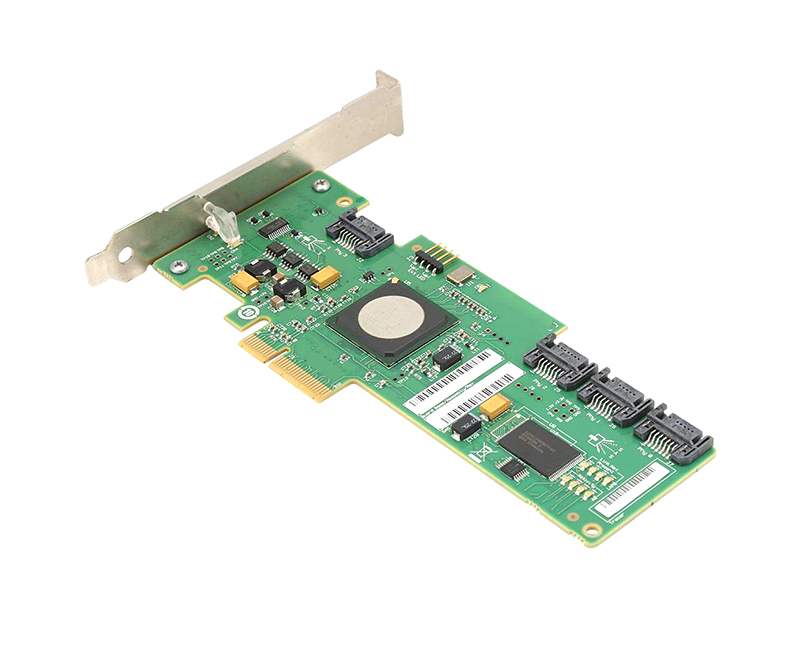
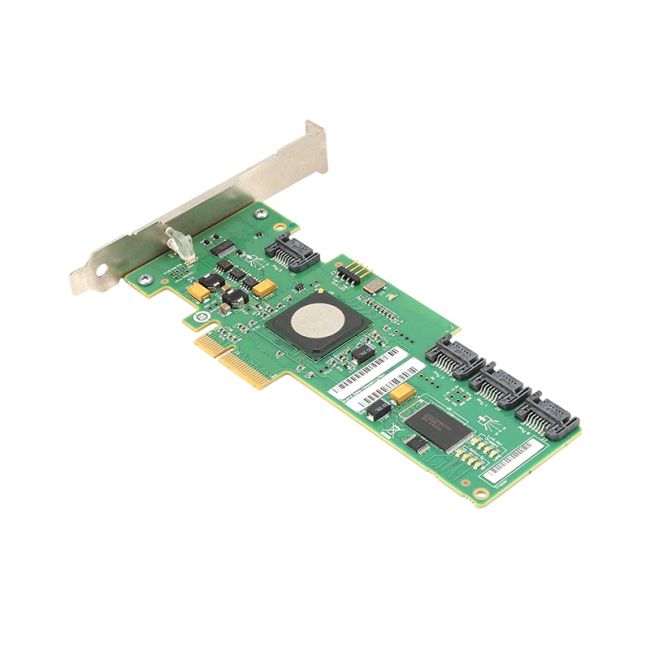
The HP Assembly MSA20 Controller Board handles data management tasks within HP MSA20 storage arrays, fitting into systems that require steady and reliable storage control. It serves as a central component that keeps data storage running smoothly in professional IT environments. |
General Information |
|
|---|---|
| Brand | HP |
| Part Number | 012143-001 |
Physical Characteristics |
|
|---|---|
| Weight | 5.00 |
| Condition | Refurbished |
Product Description |
|---|
The HP Assembly MSA20 Controller Board is designed to manage and control data flow within HP MSA20 storage arrays. Often found in data centers and enterprise environments, this controller board plays a key role in storage system operations by coordinating disk access and optimizing performance. Built for IT professionals and system administrators, it helps maintain storage efficiency and reliability, making it a staple component for businesses relying on HP storage solutions. Key Features
Typically deployed in medium to large enterprise storage setups, this controller board ensures that storage arrays run without interruption. It helps IT teams maintain uptime and data accessibility, which are critical for day-to-day operations. |
Use Cases |
|---|
The HP Assembly MSA20 Controller Board is primarily employed within mid-sized enterprise storage infrastructures where reliable and consistent data management is critical. IT administrators managing shared storage resources in environments such as virtualized server farms or departmental storage pools benefit significantly from its integration. How It's Used:
This controller board plays a vital role in sustaining operational efficiency within HP MSA20 arrays by delivering dependable storage management and control. Its design supports scalability and consistent performance, which are essential for maintaining smooth data operations in varied IT deployment scenarios. |
 Shipping Options
 International Delivery
Requires a UPS, FedEx, or DHL account. Customers may arrange pickup from our US warehouse.
International Delivery
Requires a UPS, FedEx, or DHL account. Customers may arrange pickup from our US warehouse.
 Payment Methods
We accept Visa, Mastercard, AMEX, Discover, and Wire Transfer.
Payment Methods
We accept Visa, Mastercard, AMEX, Discover, and Wire Transfer.
 Purchase Orders
We process purchase orders for government agencies, enterprises, data centers, and SMBs.
Purchase Orders
We process purchase orders for government agencies, enterprises, data centers, and SMBs.