

Subscribe To Our Newsletter!
Subscribe to the newsletter to stay up to date with the latest news and most useful
Newsletter
↑
Back to Top



Product Overview |
|---|
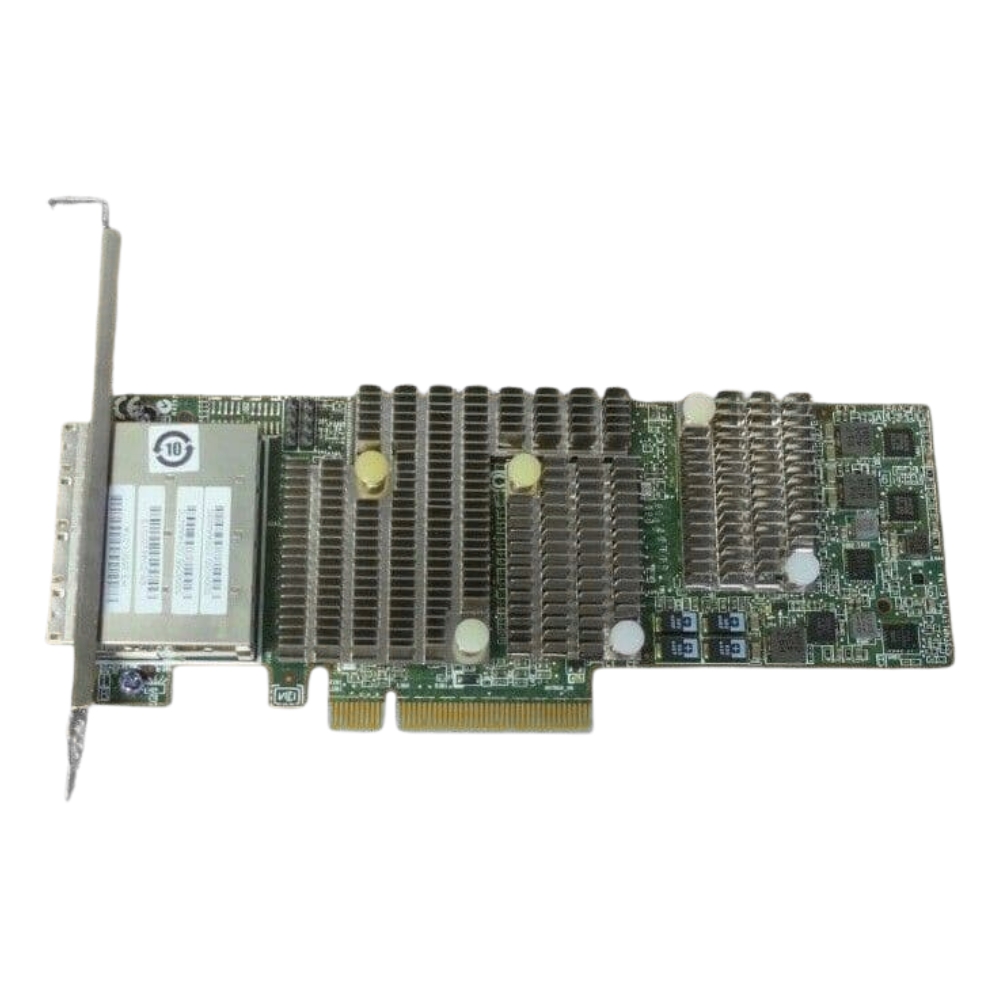
The Lenovo 4-Port 6Gb/s SAS PCIe 3.0 x8 Host Bus Adapter connects high-speed storage devices to servers, offering four SAS ports on a PCIe 3.0 x8 interface. It’s designed to fit within Lenovo server systems, providing reliable and flexible access to multiple drives while supporting both SAS and SATA protocols. |
General Information |
|
|---|---|
| Brand | Lenovo |
| Part Number | 00Y7062 |
| Alternate Part Number | 00Y7062-02-UK |
Technical Information |
|
|---|---|
| Protocol | SAS (Serial Attached SCSI) |
| Data Rate | 6Gbps SAS |
| Port Count | 4-Port (Quad) |
| Bus Interface | PCIe 3.0 x8 |
Physical Characteristics |
|
|---|---|
| Weight | 3.00 |
| Condition | Refurbished |
Product Description |
|---|
This Lenovo 4-Port 6Gb/s SAS PCIe 3.0 x8 Host Bus Adapter (HBA) is built for connecting multiple storage devices to your server with fast and reliable data transfer. It is commonly used in enterprise environments where managing several hard drives or solid-state drives is essential for expanding storage capacity or improving performance. Often found in data centers and server rooms, this adapter supports both SAS and SATA devices, making it versatile for various storage setups. IT professionals and system administrators rely on it to maintain high-speed access to storage resources while ensuring compatibility with Lenovo hardware. Key Features
This adapter is typically deployed in server environments needing expanded storage or enhanced throughput. Its role is crucial in setups that require reliable, efficient management of multiple disks without compromising speed or compatibility. |
Use Cases |
|---|
The 00Y7062 Lenovo 4-Port SAS Host Bus Adapter is designed for high-performance storage connectivity in enterprise environments. How It's Used:
This adapter helps optimize storage connectivity in various IT infrastructures, supporting demanding workloads and ensuring data availability. |
 Shipping Options
 International Delivery
Requires a UPS, FedEx, or DHL account. Customers may arrange pickup from our US warehouse.
International Delivery
Requires a UPS, FedEx, or DHL account. Customers may arrange pickup from our US warehouse.
 Payment Methods
We accept Visa, Mastercard, AMEX, Discover, and Wire Transfer.
Payment Methods
We accept Visa, Mastercard, AMEX, Discover, and Wire Transfer.
 Purchase Orders
We process purchase orders for government agencies, enterprises, data centers, and SMBs.
Purchase Orders
We process purchase orders for government agencies, enterprises, data centers, and SMBs.