

Subscribe To Our Newsletter!
Subscribe to the newsletter to stay up to date with the latest news and most useful
Newsletter
↑
Back to Top



Product Overview |
|---|
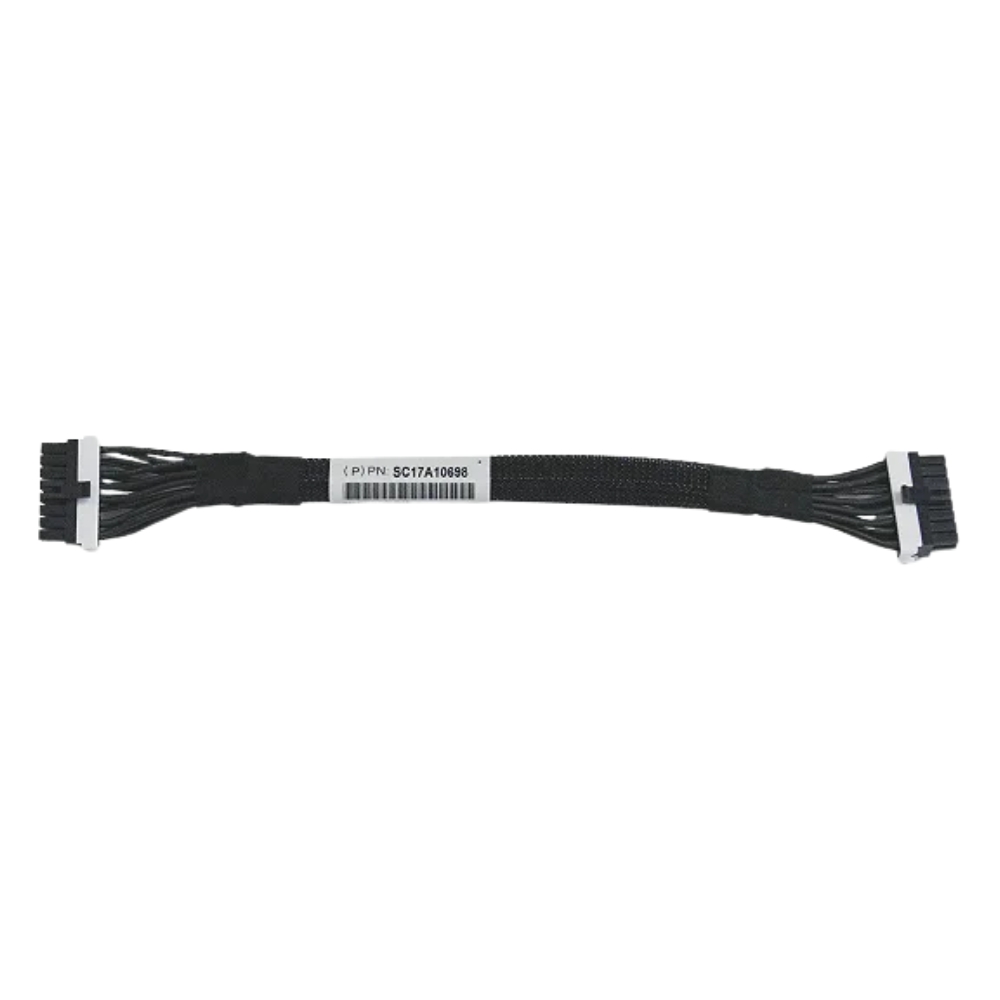
The IBM Rear Fan I/O Board Cable connects the rear fan to the input/output board on IBM x3950, x3850, and x6 servers. It supports stable airflow management and thermal regulation within these systems, playing an essential role in maintaining the servers’ cooling performance and overall reliability. |
General Information |
|
|---|---|
| Brand | IBM |
| Part Number | 00D0052 |
| Alternate Part Number | 00D0052-02-UK |
Technical Information |
|
|---|---|
| Compatibility | IBM System x3950 X6, IBM System x3850 X6 |
| Product Category | Cable |
Physical Characteristics |
|
|---|---|
| Form Factor | Cable assembly |
| Weight | 3.00 |
| Condition | Refurbished |
Product Description |
|---|
This IBM Rear Fan I/O Board Cable is designed to connect the rear fan to the input/output board in select IBM server models. It plays a key role in maintaining proper cooling by ensuring seamless communication between the fan and motherboard systems. Often found in enterprise environments, this cable is built for IBM x3950, x3850, and x6 series servers, which require stable thermal management to keep hardware components running optimally. IT professionals and data center technicians typically use this cable when servicing or upgrading cooling systems within these servers. Key Features
This cable is commonly deployed in corporate data centers and server rooms where IBM x3950, x3850, and x6 machines are in use. It contributes to the smooth functioning of cooling systems, preventing overheating and potential hardware failure. Reliable cables like this help extend the lifespan of critical server components by ensuring proper airflow and cooling efficiency. |
Use Cases |
|---|
The 00D0052 IBM Rear Fan I/O Board Cable is used to maintain optimal cooling performance in specific IBM server models. How It's Used:
Using this cable helps extend server lifespan and maintains efficient operation in demanding IT infrastructure settings. |
 Shipping Options
 International Delivery
Requires a UPS, FedEx, or DHL account. Customers may arrange pickup from our US warehouse.
International Delivery
Requires a UPS, FedEx, or DHL account. Customers may arrange pickup from our US warehouse.
 Payment Methods
We accept Visa, Mastercard, AMEX, Discover, and Wire Transfer.
Payment Methods
We accept Visa, Mastercard, AMEX, Discover, and Wire Transfer.
 Purchase Orders
We process purchase orders for government agencies, enterprises, data centers, and SMBs.
Purchase Orders
We process purchase orders for government agencies, enterprises, data centers, and SMBs.