

Subscribe To Our Newsletter!
Subscribe to the newsletter to stay up to date with the latest news and most useful
Newsletter
↑
Back to Top



Product Overview |
|---|
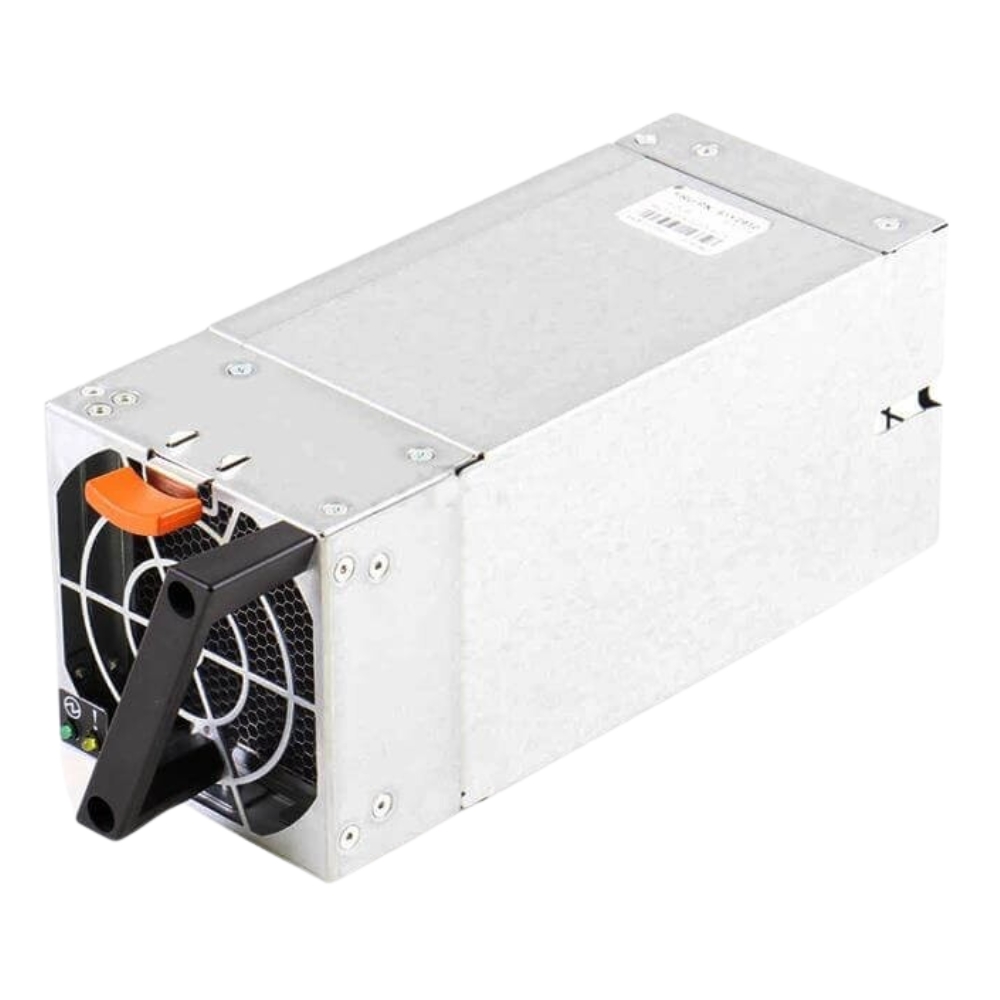
The Lenovo RackSwitch G8296 Fan for NE2572 is a dedicated cooling component designed to fit specific Lenovo switch models. It ensures proper airflow and temperature management, helping to keep networking equipment running smoothly in environments such as server rooms and data centers. |
General Information |
|
|---|---|
| Brand | Lenovo |
| Part Number | 00AY171 |
| Alternate Part Number | 00AY171-02-UK |
Technical Specification |
|
|---|---|
| Component Type | Chassis Fan |
| Cooling Method | Active |
| Material | Plastic |
| Compatibility | Lenovo RackSwitch G8296, NE2572 |
Physical Characteristics |
|
|---|---|
| Form Factor | Hot-swappable fan module |
| Weight | 3.00 |
| Condition | Refurbished |
Miscellaneous |
|
|---|---|
| Assembly Required | Yes |
| Eco Friendly | Yes |
Product Description |
|---|
This fan module is designed specifically for the Lenovo RackSwitch G8296 series, including the NE2572 switch model. It plays a critical role in cooling the switch’s internal components, helping maintain reliable network performance during heavy use. Often found in data centers and enterprise networking setups, this fan is built to support environments where continuous operation is essential. IT professionals and system administrators rely on it to prevent overheating and potential hardware failure. Key Features
Typically deployed in enterprise networks and data centers, this fan module helps maintain consistent cooling performance. Its role in preserving hardware health makes it an important part of maintaining network stability over time. |
Use Cases |
|---|
The 00AY171 Lenovo RackSwitch G8296 Fan is primarily used to maintain optimal thermal conditions in network switch hardware to prevent overheating and ensure continuous operation. How It's Used:
By using this fan as part of routine maintenance, organizations can safeguard their network infrastructure and reduce the risk of unexpected hardware failures. |
 Shipping Options
 International Delivery
Requires a UPS, FedEx, or DHL account. Customers may arrange pickup from our US warehouse.
International Delivery
Requires a UPS, FedEx, or DHL account. Customers may arrange pickup from our US warehouse.
 Payment Methods
We accept Visa, Mastercard, AMEX, Discover, and Wire Transfer.
Payment Methods
We accept Visa, Mastercard, AMEX, Discover, and Wire Transfer.
 Purchase Orders
We process purchase orders for government agencies, enterprises, data centers, and SMBs.
Purchase Orders
We process purchase orders for government agencies, enterprises, data centers, and SMBs.