

Subscribe To Our Newsletter!
Subscribe to the newsletter to stay up to date with the latest news and most useful
Newsletter
↑
Back to Top



Product Overview |
|---|
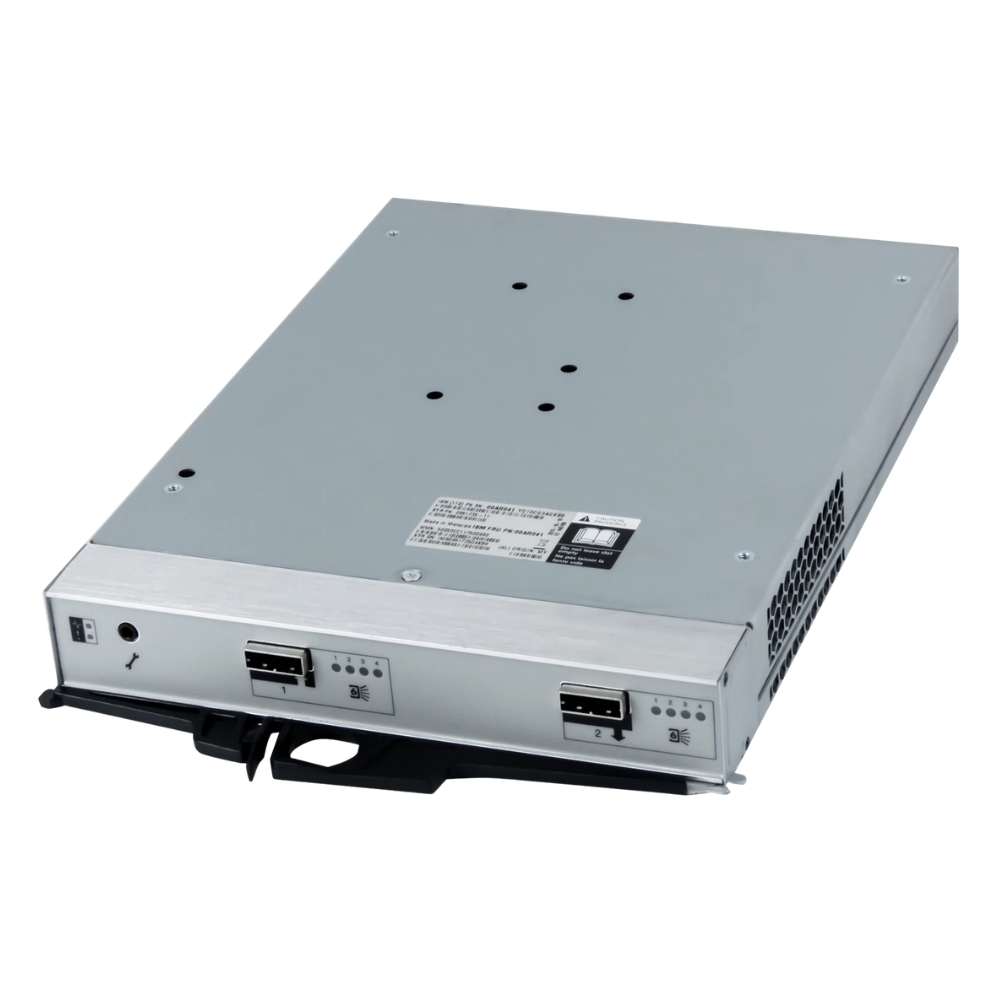
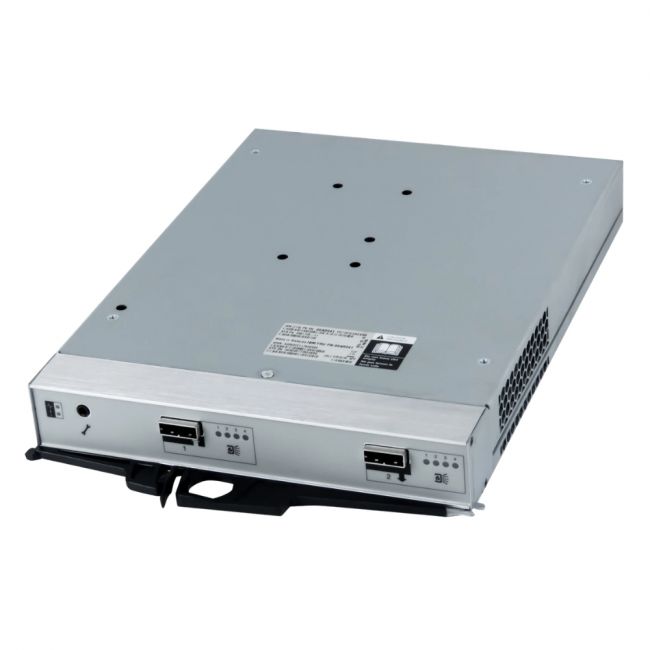
The IBM Expansion Canister ESM Controller V7000 handles the management of additional storage enclosures within the IBM V7000 storage environment. It fits into enterprise storage setups where scaling capacity while maintaining system coordination is necessary, helping keep data accessible and systems running smoothly as storage needs evolve. |
General Information |
|
|---|---|
| Brand | IBM |
| Part Number | 00AR041 |
| Alternate Part Number | 00AR041-06-CT |
Physical Characteristics |
|
|---|---|
| Weight | 3.00 |
| Condition | Refurbished |
Miscellaneous |
|
|---|---|
| Eco Friendly | Yes |
| Compliance Standards | WEEE, RoHS, cURus, CE, FCC, CCC, UL, TUV, cULus, CSA, cUL |
Product Description |
|---|
The IBM Expansion Canister ESM Controller for V7000 is designed to extend the storage capacity of existing IBM V7000 systems efficiently. It acts as a dedicated management controller for expansion enclosures, ensuring smooth operation and integration with your primary storage array. Often found in mid to large-scale enterprise setups, this controller is built for IT professionals managing growing data storage needs. It helps maintain performance and reliability as storage demands increase, supporting a wide range of applications from data backup to virtualized environments. Key Features
This controller is typically deployed in data centers and storage arrays where expanding capacity is critical without compromising system stability. It plays a key role in enterprise infrastructure by enabling smooth growth and consistent data availability. |
Use Cases |
|---|
The 00AR041 IBM Expansion Canister ESM Controller is instrumental in scenarios requiring scalable and reliable storage expansion within enterprise environments. How It's Used:
This controller enables organizations to efficiently manage expanding storage needs, ensuring continuity and scalability of their IT infrastructure. |
 Shipping Options
 International Delivery
Requires a UPS, FedEx, or DHL account. Customers may arrange pickup from our US warehouse.
International Delivery
Requires a UPS, FedEx, or DHL account. Customers may arrange pickup from our US warehouse.
 Payment Methods
We accept Visa, Mastercard, AMEX, Discover, and Wire Transfer.
Payment Methods
We accept Visa, Mastercard, AMEX, Discover, and Wire Transfer.
 Purchase Orders
We process purchase orders for government agencies, enterprises, data centers, and SMBs.
Purchase Orders
We process purchase orders for government agencies, enterprises, data centers, and SMBs.