

Subscribe To Our Newsletter!
Subscribe to the newsletter to stay up to date with the latest news and most useful
Newsletter
↑
Back to Top



Product Overview |
|---|
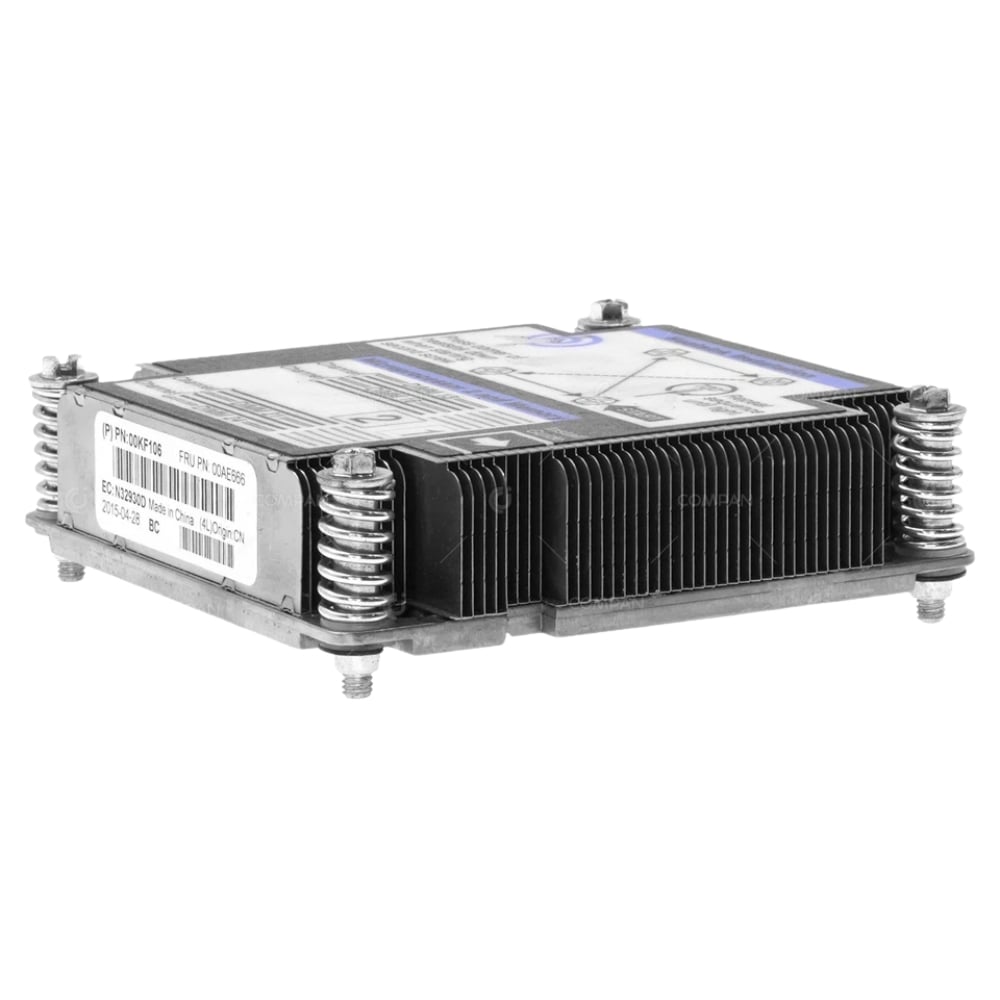
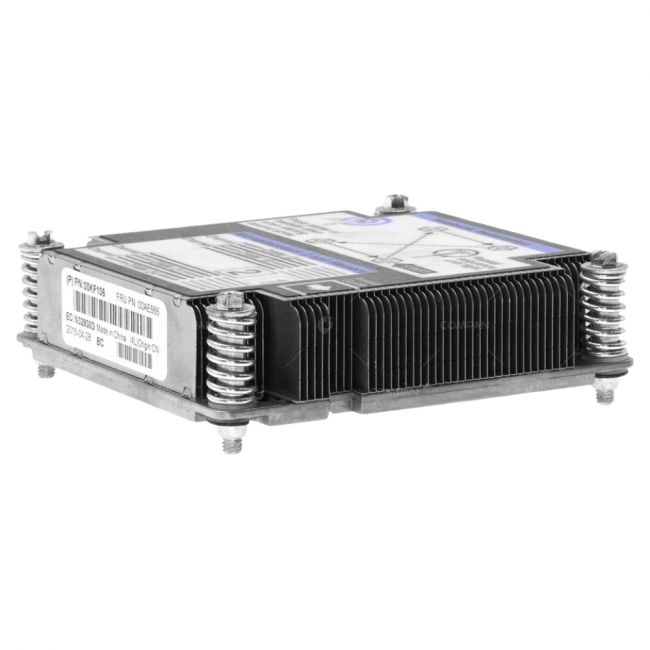
The IBM Flex System X240 M5 Rear Heatsink is designed to provide targeted cooling for the rear components of the X240 M5 server. It fits within the Flex System chassis and works as part of the overall thermal management system to stabilize internal temperatures in demanding computing environments. |
General Information |
|
|---|---|
| Brand | IBM |
| Part Number | 00AE667 |
Technical Specification |
|
|---|---|
| Component Type | CPU Heatsink |
| Cooling Method | Passive |
| Size | Fits IBM Flex System x240 M5 |
| Material | Aluminum |
| Compatibility | IBM Flex System x240 M5 |
Physical Characteristics |
|
|---|---|
| Form Factor | Rear Heatsink (Server Blade) |
| Weight | 3.00 |
| Condition | Refurbished |
Miscellaneous |
|
|---|---|
| Assembly Required | Yes |
| Eco Friendly | Yes |
Product Description |
|---|
The IBM Flex System X240 M5 Rear Heatsink is built to manage the heat generated by high-performance components within the X240 M5 server chassis. It plays a critical role in keeping the rear section of the server cool, ensuring stable operation during demanding workloads. Often found in data centers and enterprise environments, this heatsink supports IT professionals who require reliable cooling solutions to prevent overheating and maintain server longevity. It's commonly used alongside other cooling components within the Flex System ecosystem. Key Features
This rear heatsink is typically deployed in enterprise server racks where maintaining consistent temperature is vital. Its presence helps reduce downtime by supporting the server’s thermal stability, contributing to smoother operations across business-critical applications. |
Use Cases |
|---|
The 00AE667 IBM Flex System X240 M5 Rear Heatsink is primarily used to enhance cooling within IBM Flex System X240 M5 server environments. How It's Used:
Proper use of this heatsink helps maintain server performance and extends hardware lifespan in demanding enterprise environments. |
 Shipping Options
 International Delivery
Requires a UPS, FedEx, or DHL account. Customers may arrange pickup from our US warehouse.
International Delivery
Requires a UPS, FedEx, or DHL account. Customers may arrange pickup from our US warehouse.
 Payment Methods
We accept Visa, Mastercard, AMEX, Discover, and Wire Transfer.
Payment Methods
We accept Visa, Mastercard, AMEX, Discover, and Wire Transfer.
 Purchase Orders
We process purchase orders for government agencies, enterprises, data centers, and SMBs.
Purchase Orders
We process purchase orders for government agencies, enterprises, data centers, and SMBs.